by Barbara Nevins Taylor
When families come together during holiday season, many things are revealed.
We share our love, stories about our lives, and sometimes we even tell the truth.
The last thing most of us want to do is take a critical look at our aging parents. But while we’re all together and relatively relaxed, it is an opportunity to take a second look and give a second listen to what’s going on.
If you do it now, you may save yourself and your family a lot of heartache later. Lou-Ellen Barkan, President and CEO of the Alzheimer’s Association, NYC Chapter, says, “You can’t go wrong when you are talking about making people safer. But you can go wrong by ignoring an obvious situation.”
Her personal story highlights the difficulties most families face.
Barkan took care of her aging parents before her current job when she worked in politics and finance. She says, “My parents lived in Florida, which is very far away from New York City, especially if you are busy working person.”
Her dad developed dementia after prostate surgery and years later, after a stroke, the dementia deepened.
“Here was this man who was on his own, ran a business, played golf all of the time, and suddenly he needed a great deal of help,” she said. Her mom was the caretaker. “My mother kept him at home. And was very good to him, but it was tough on her.” Barkan recalls.
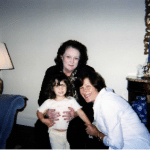 After her dad died, her mother began to decline. She was 78 and insisted on remaining in her home. Barkan and her brother did successfully convince their mom to allow someone to come in and help in the mornings.
It didn’t take long for them to understand that something was really wrong. “My mother started falling out of bed. When the aide would come in, she would be on the floor.”
And then there was a bigger event, which is typical for most older people in decline: “She really had a fall. She went to the hospital and from the hospital they would not allow her to go home. At that point, I would say that her cognitive abilities were down 30 to 50 percent.”
Barkan and her family arranged for their mom to move to an assisted living facility in Florida. But six months later she had a stroke and could no longer do anything on her own. Barkan’s family moved her to New York and into the Sarah Newman residence in Mamaronek. Barkin says, “It was a wonderful place. She was there for a year-and-a-half and was safe and comfortable.”
We all want safety and comfort for our parents. But if their memory is slipping and they are still driving, or simply living alone, it’s potentially dangerous.
That’s why as painful as it may be, it’s a good idea to try to evaluate what’s going on
“We have what we call the ten signs of dementia and if you see three or four you need to pay attention,” Barkan says.
10 Warning Signs of Dementia
1. Forgetting dates, asking the same information over and over or overly relying on notes and other things to spur memory.
2. Having difficulty doing routine things like following a recipe, or a plan.
3. Difficulty completing a task like playing a game of Scrabble.
4. Confusion about dates and time.
5. Vision problems that affect spacial judgment or the ability to see colors.
6. Trouble with words or following a conversation.
7. Misplacing things without being able to retrace steps.
8. Using poor judgment like taking excess money out of the bank, or giving away large sums to charities or telemarketers.
9. Withdrawing from company and social activities
10. Changes in mood and attitude that may lead them to be depressed, paranoid or overly suspicious.
When to Choose Assisted Living










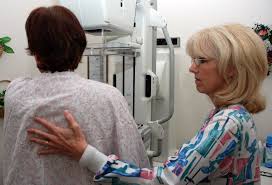













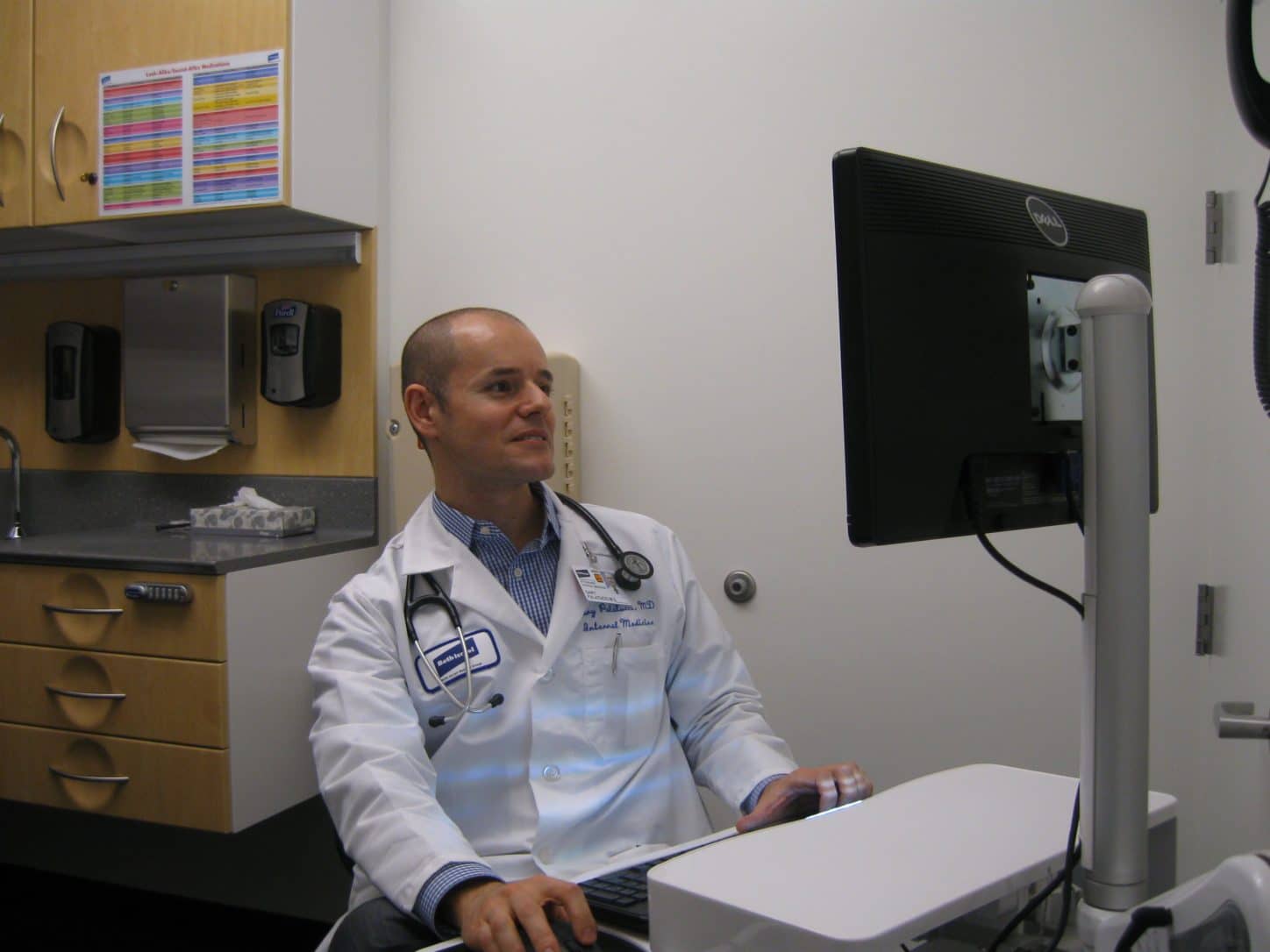

 But back to Dr. Palatucci. He seemed to embrace a kind of old-fashioned common sense medicine. “Is there a particular reason that you are here?” he asked. I explained that I have no big complaints, but thought it was time to establish a relationship with an internist.




 The FTC says I Works ran an elaborate $275 million scheme. The company, and its subsidiaries, convinced consumers to provide their credit card numbers, to be used for a small handling fee supposedly for materials related to obtaining grants, and then billed the consumers a one-time charge of $129.95 and monthly fees of up to $59.95.
