by Nick Taylor and Barbara Nevins Taylor
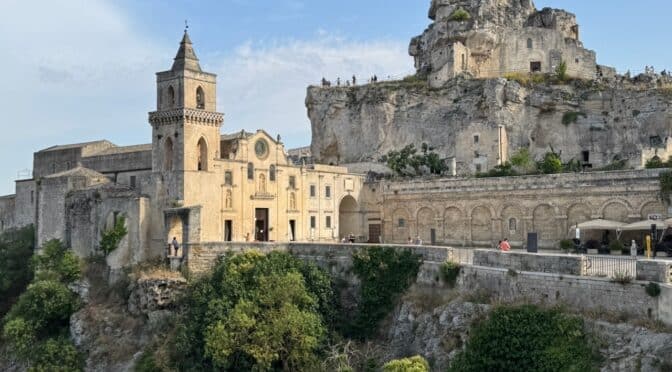
During our visit to southern Italy, we decided drives of about four to five hours with a stop or two between destinations seemed right. From Matera, where we had spent three nights, Taranto on the Ionian Sea looked ideal. We knew that the seaside city would offer a starkly different experience than the interior cave-life of Matera. Happily we found that the beauty of the Ionian sea, the old port town and its National Archeological Museum, and the food surpassed our expectations.
We left Matera in Basilicata in our rental car on a sunny morning and headed northeast through farmland renowned for growing wheat and beans. We headed to the neighboring Apulia region, or Puglia, as it’s known in the original Italian. Puglia is also the way our Italian friends and neighbors in New York refer to the region. Whatever your preference, it is Italy’s boot heel as you’re looking at a map.
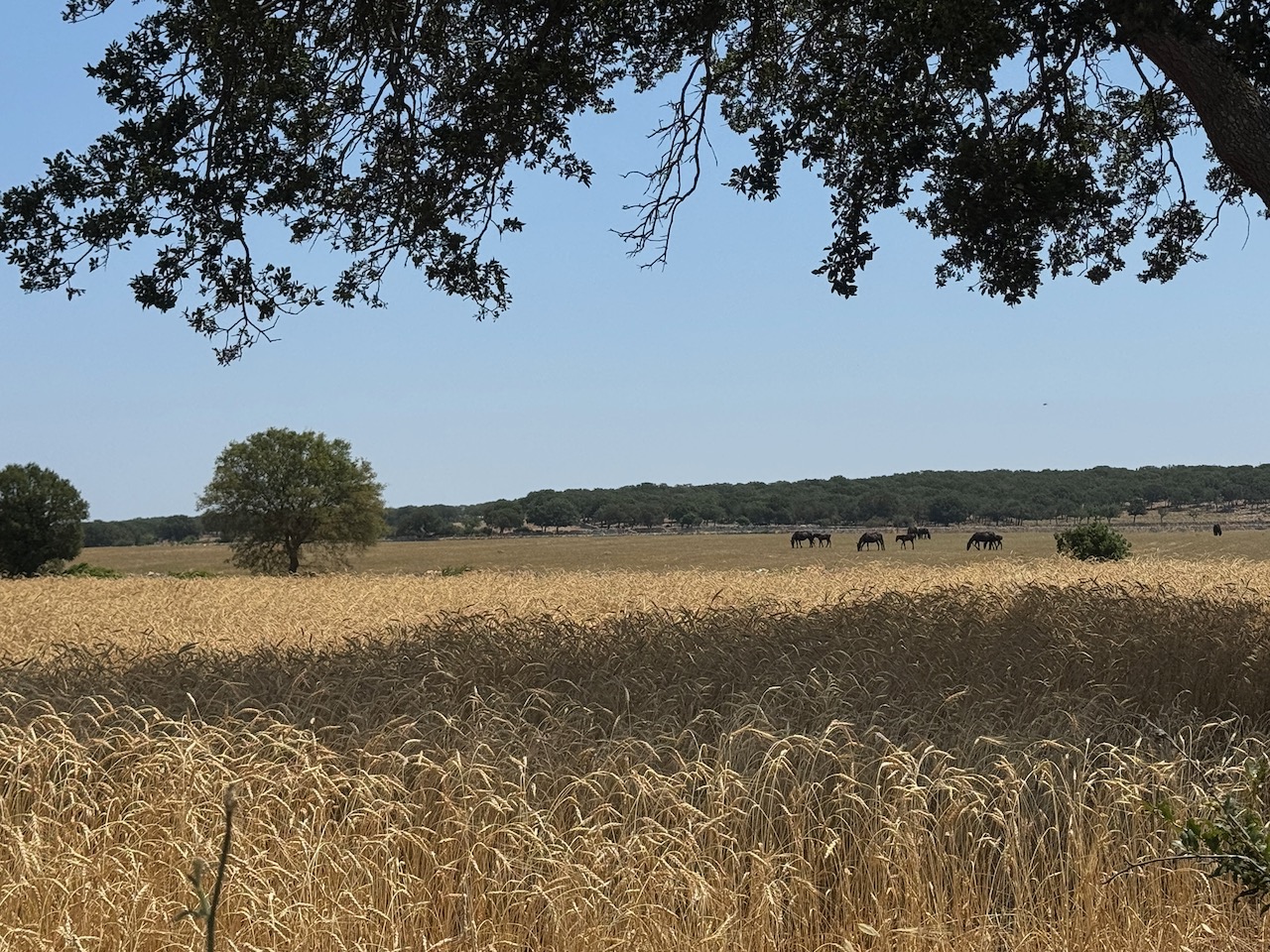
We looked forward to good food, local wine, the Ionian and Adriatic seas and the discovery of local history that predates ancient Greek trading settlements. We planned to visit Taranto, Gallipoli, Lecce and Bari with short stops in interesting places on the way. And coming out of Basilicata, we headed to the Ionian Sea and the city of Taranto.
We mapped out a twisty route to make sure that we would travel through the part of Puglia dotted with the cone-capped trulli houses whose design and construction date back to the fourteenth century.
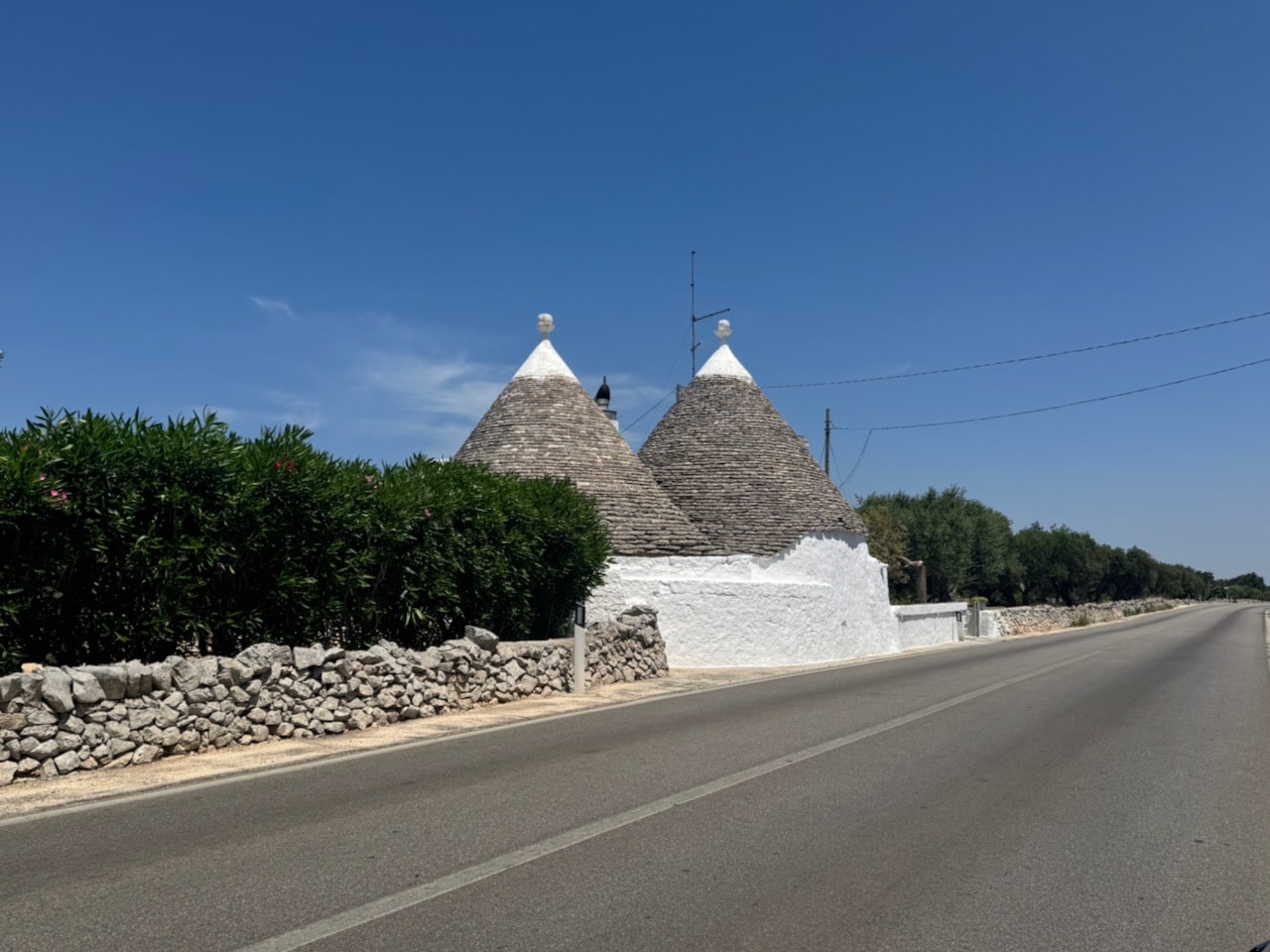
The trulli — plural of trullo — originally were built like sheds where people working the land would sleep and store their tools. A typical trullo is built with the area’s white limestone and gray stones are used for the pointy roofs. They are built without mortar. Instead, they rely on gravity, with the interlocked circles of tile growing smaller as they rise. The white lime tips that top them off are called pinnacoli.
Trulli compounds grew with families and now a central trullo is usually surrounded by others.
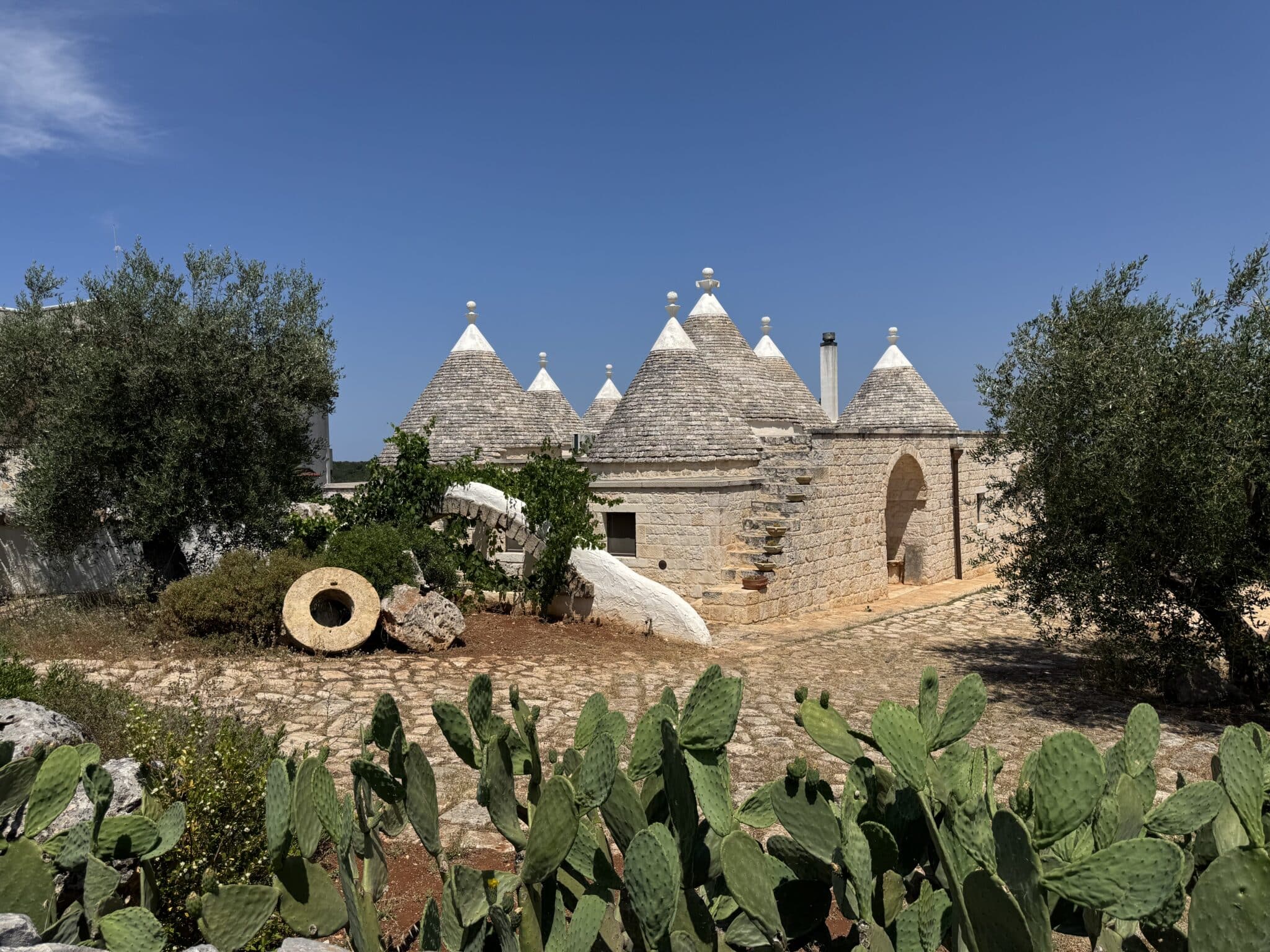
We saw a surprising number of them in the countryside. But the town of Alberobello is the heart of Trulli culture.
It is also a spot that feels like another real-life Disneyland. Tourists wandered around happily gaping and taking photos. Just like us.
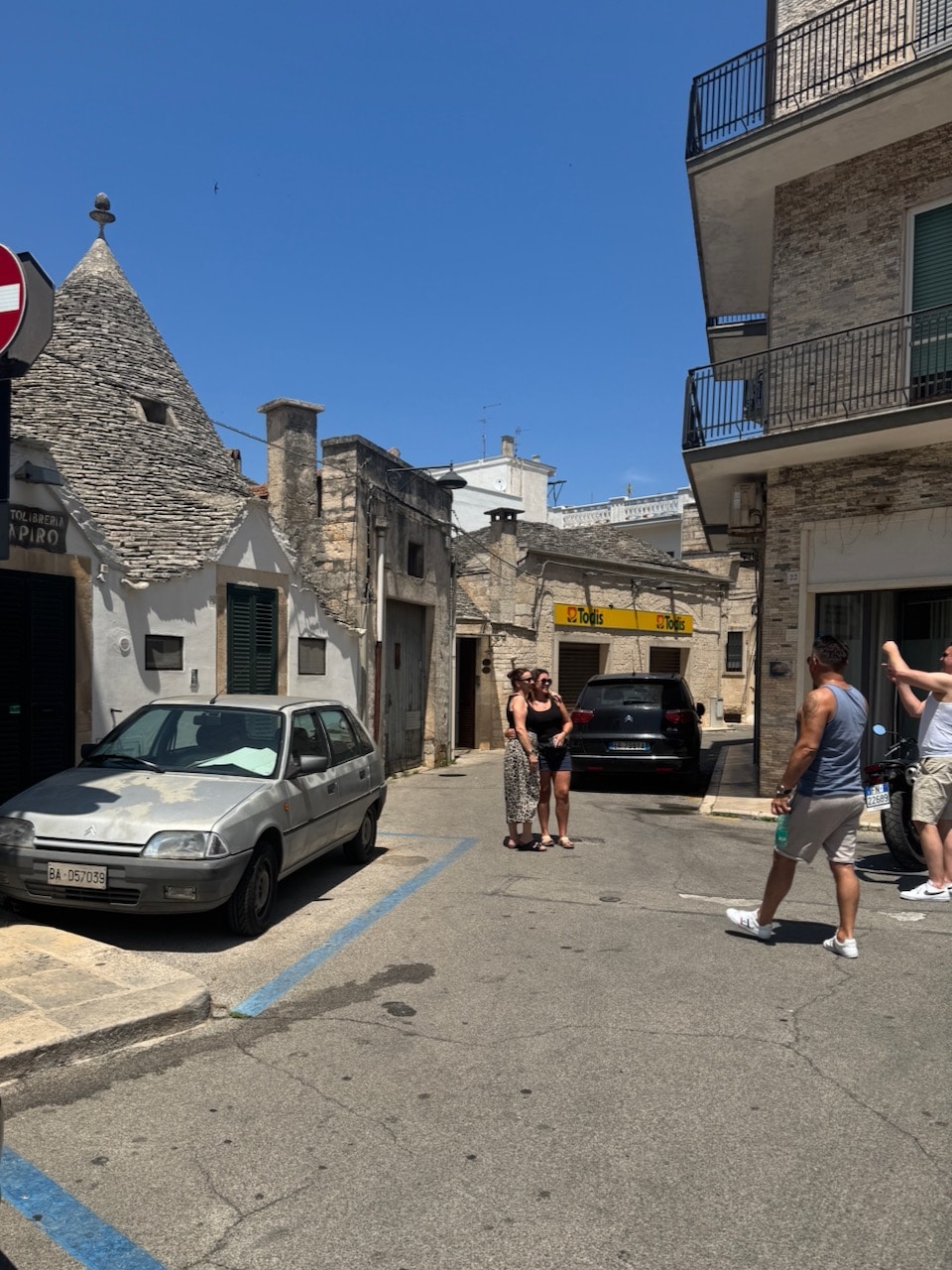
We had planned to lunch in Alberobello, but there were so many tourists that we decided to keep going. We went south through more fields of rolled up wheat to see the white village of Ostuni
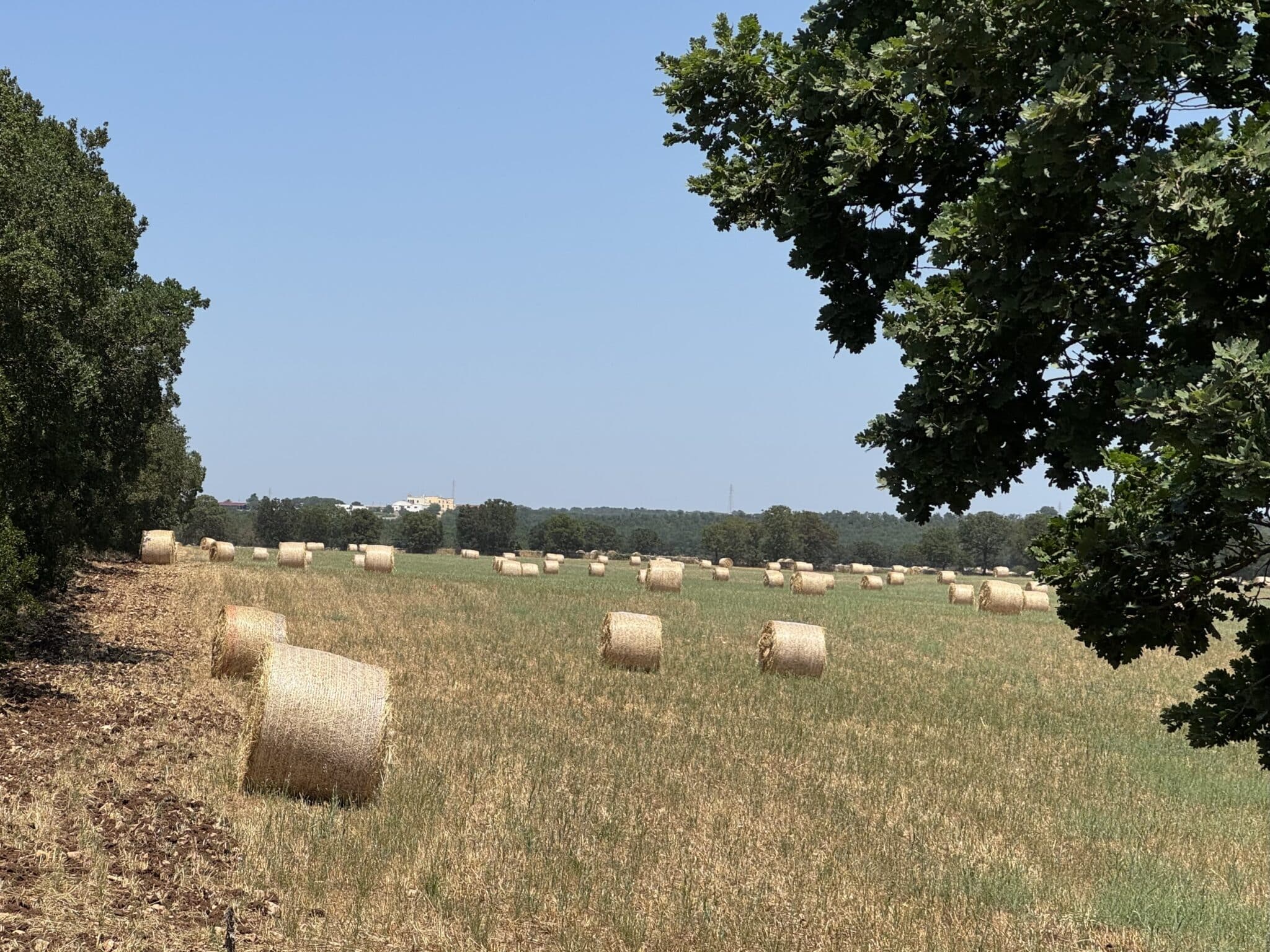
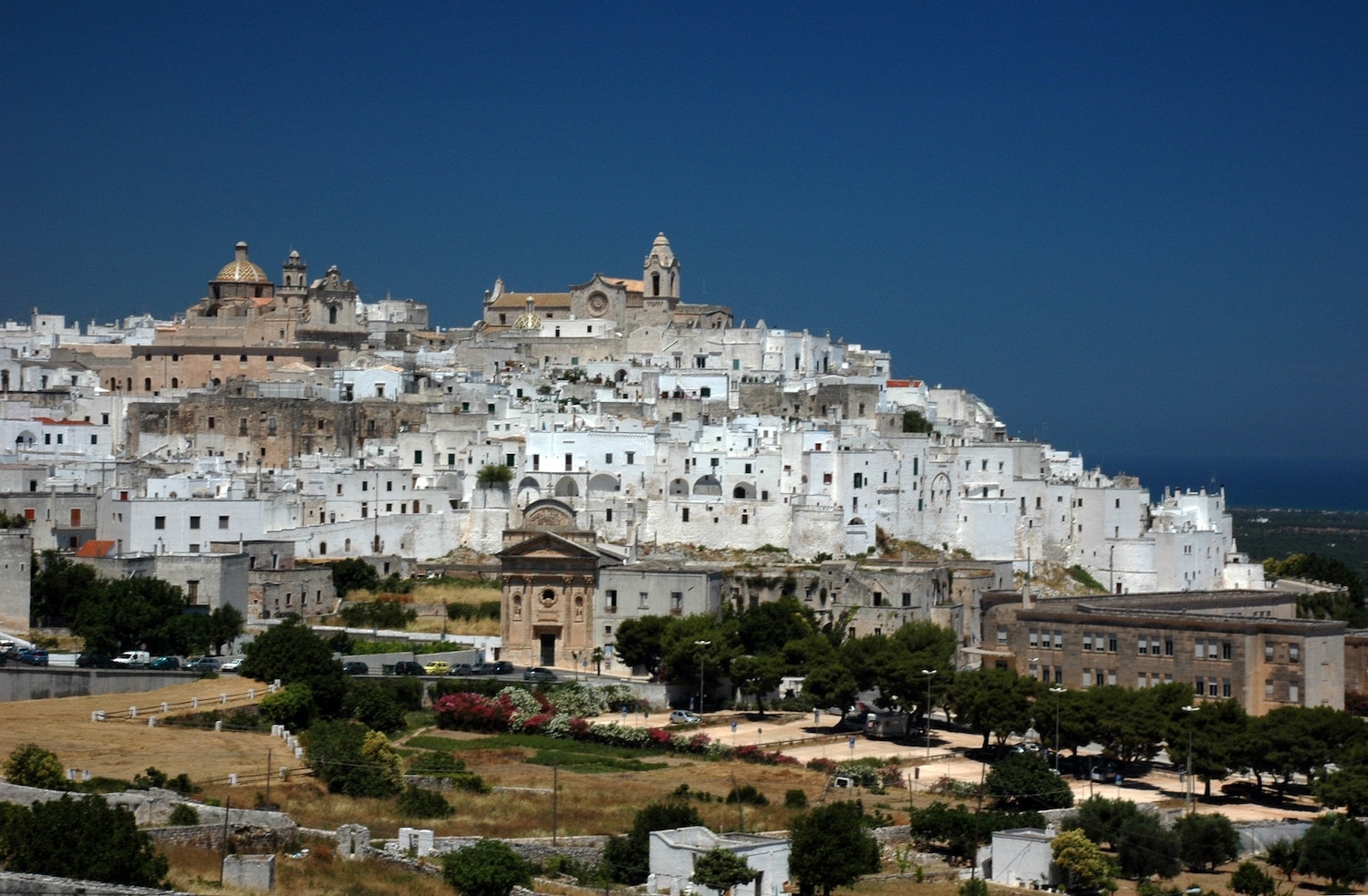
We circled through the hillside town and back down to the road leading south on the E 90 and the 50-minute drive to Taranto.
Older travel guides don’t recommend visiting Taranto, if they mention it at all. Too dirty and industrial, they say. Much of the blame went to the ILVA steelworks, one of Europe’s largest steel producers, for hazardous waste and unchecked air and water pollution. But the Italian government took it over in 2012, and the company’s former owners went to jail in 2021 for allowing it to contaminate the city. ILVA still operates, but Taranto’s not a toxic waste dump anymore.
The city’s long history dates back to the Bronze Age. Mycenean settlers were there fifteen centuries before the Christian era. Spartans followed the Greek Mycenaeans in the eighth century BCE and turned the island of Taras into Sparta’s only colony. The Romans conquered the city in 272 BCE and Tarentum become part of the Roman empire.
Connected to Rome by the Appian Way in the second century BCE, the city over time became a commercial port and shipbuilding center.
Byzantines, Lombards, and Normans had periods of rule in the Christian era. The Kingdom of Naples ruled Taranto in the 14th century, beginning a period of culture and prosperity that continued through the Renaissance and Baroque eras with a flurry of church-building. The 19th and 20th centuries brought the industrialization that Italy and Taranto now are cleaning up.
We had reservations at Taranto’s Delfino Hotel. It’s a high-rise right on the water that, wonder of wonders, had on-site parking and a beautiful swimming pool on the Ionian Sea. It beckoned to us after a day of driving. It was time for diving in.
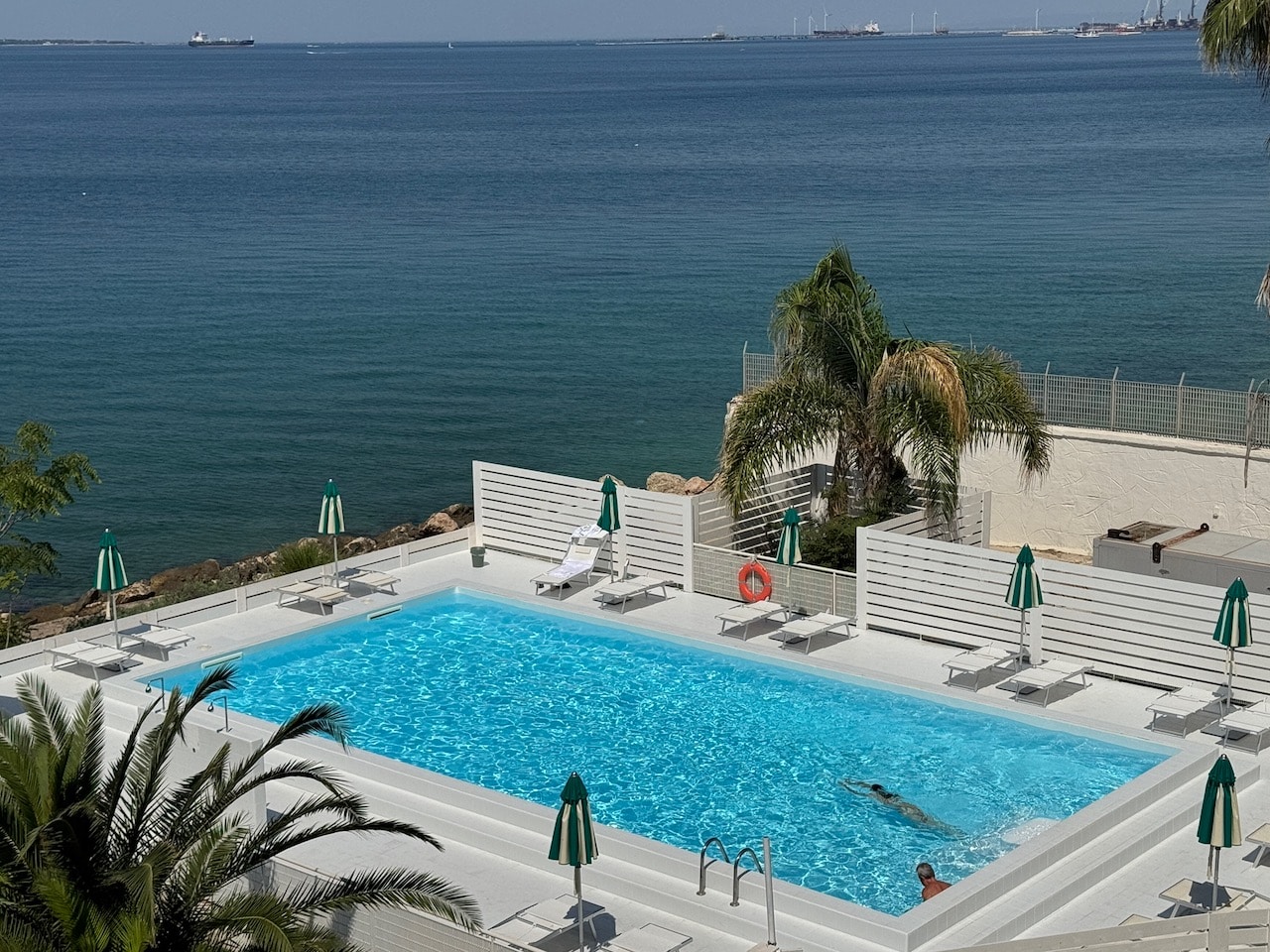
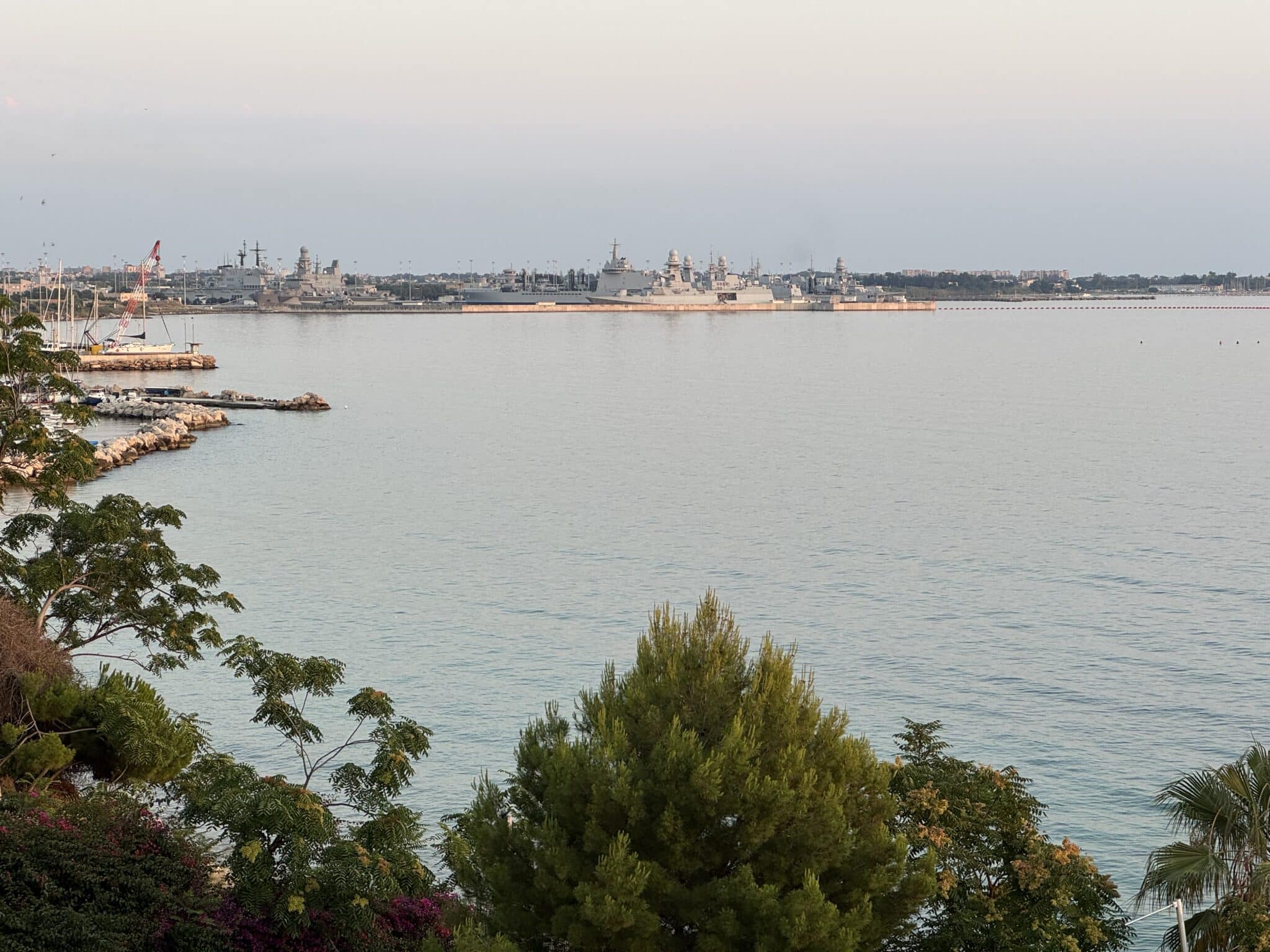
Once we shed the driving fatigue with a great swim, we stepped out on the terrace of our room to enjoy the almost sundown view. Looking east we saw Stazione Navale Mar Grande, the Italian naval base.
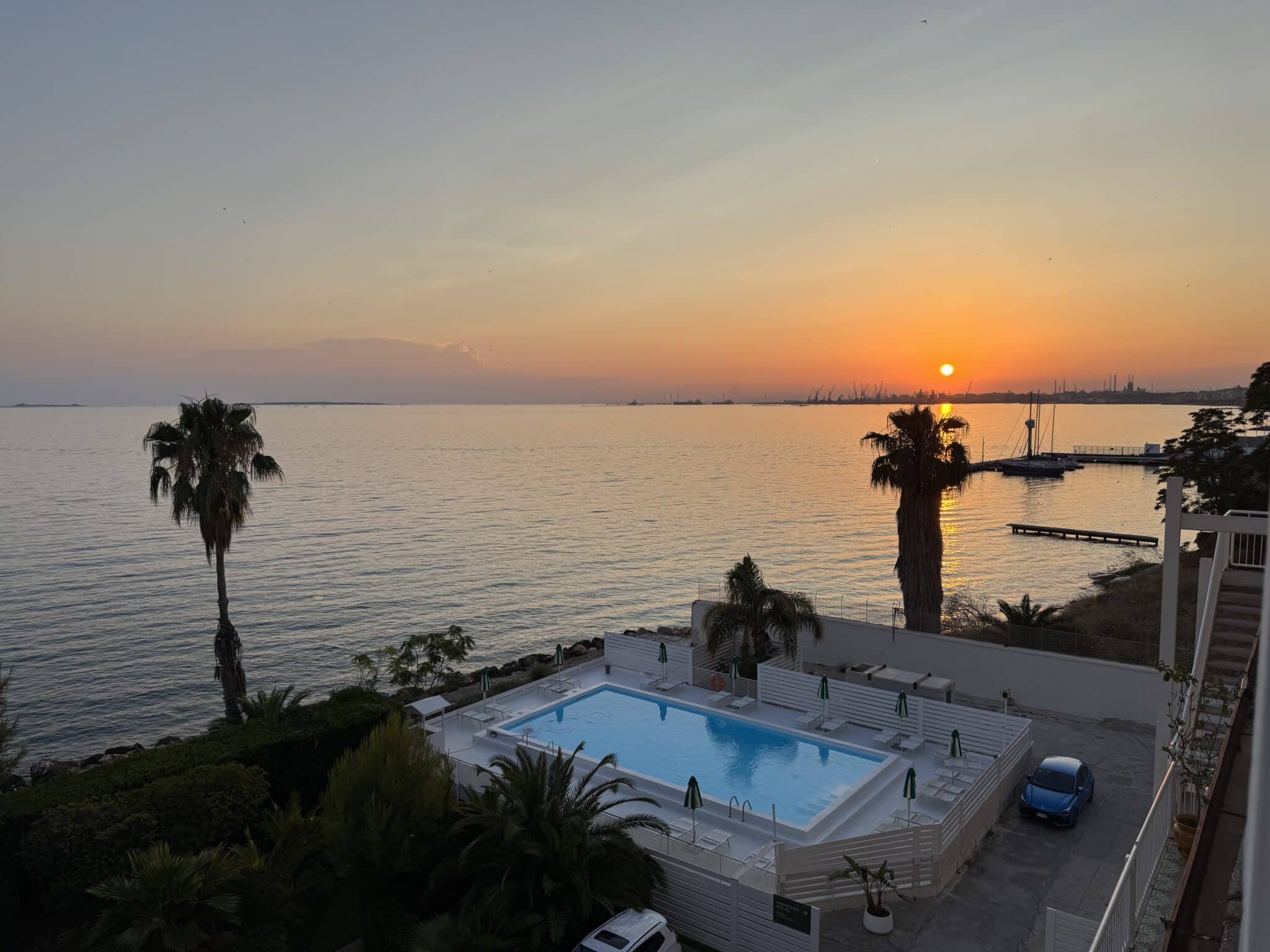
Looking to the west, we caught the skyline of Taranto’s commercial port backlit by the setting sun.
We had booked at a Gatto Rosso, a Michelin recommended restaurant that specialized in seafood. We took a taxi to the old part of the city through the dense industrial housing built for steel workers in the 1960s. The contrasts in the city are great, but our focus that evening was on food.
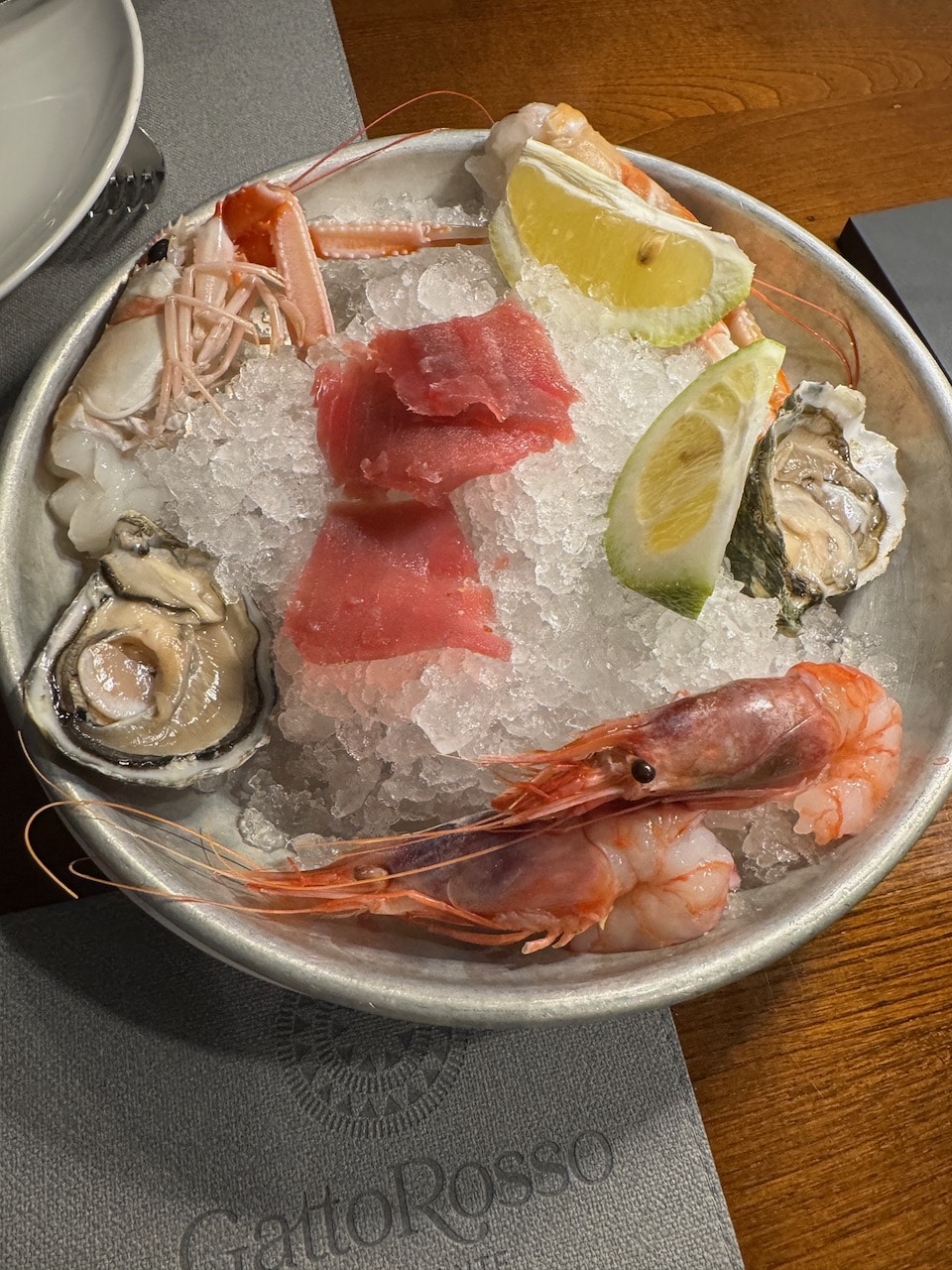
Gatto Rosso has a family history dating back to 1952 and a love story between a Tuscan chef, a young woman from Taranto, and her father who staked them in a restaurant called “The Cellar.” As it expanded and became Gatto Rosso, or the red cat, it developed a loyal following. Now Chef Agostino Bartoli specializes in seafood and we dove in beginning with a seafood platter.
Because we are big frito misto fans, we tried it here.
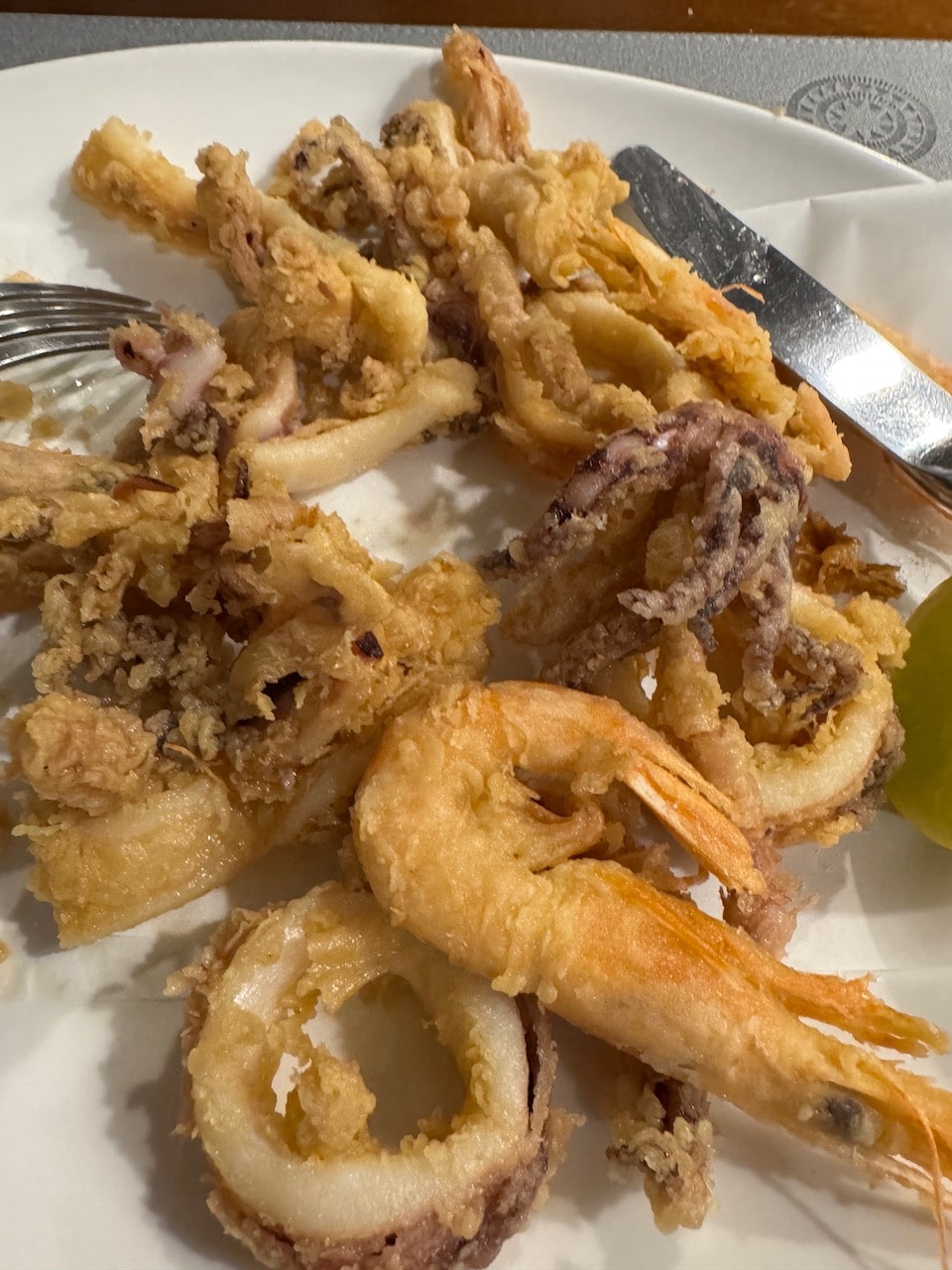
In Italy with multi-courses, we usually split all of the dishes. That allows us to order starters and a primi course.
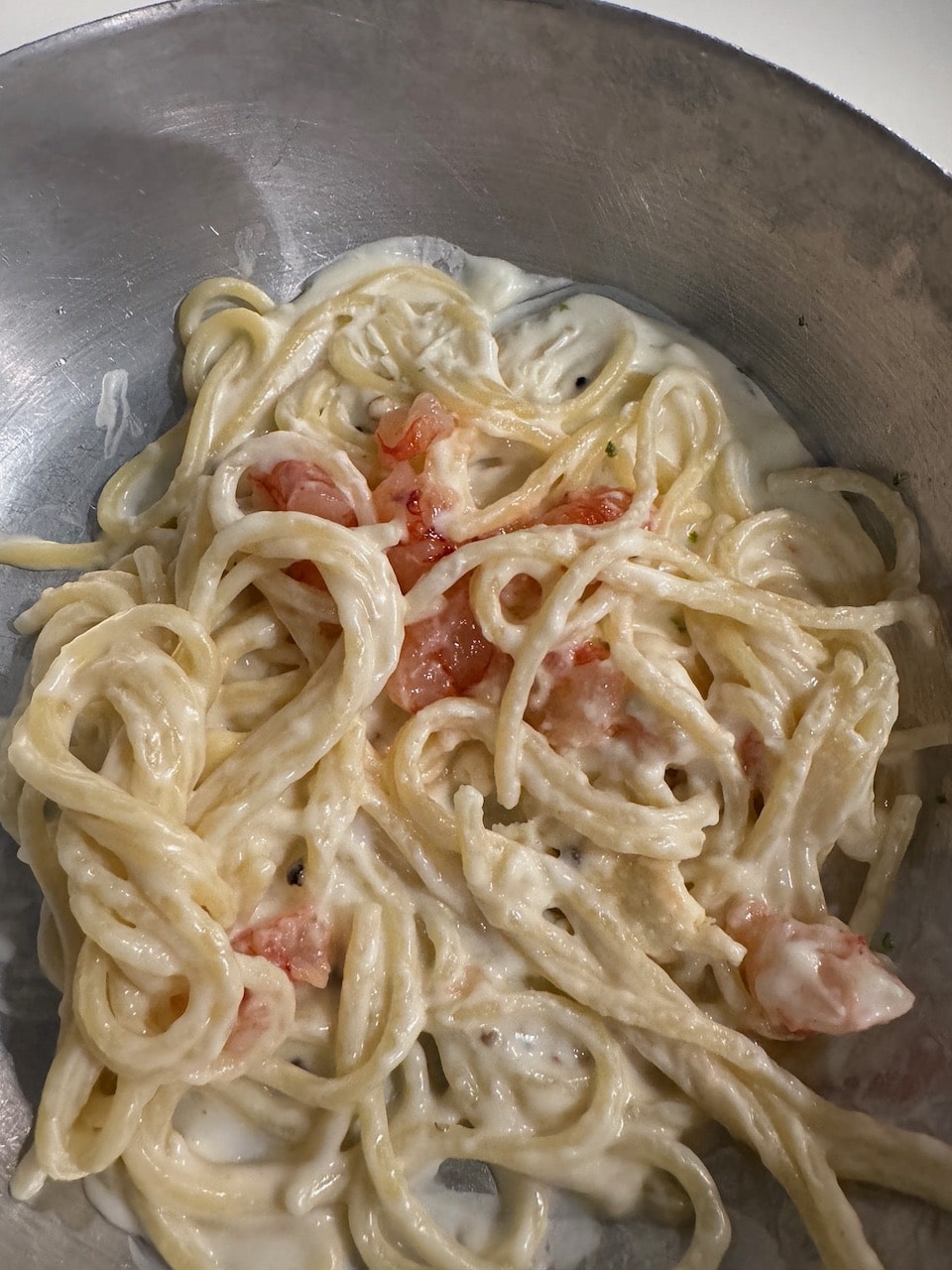
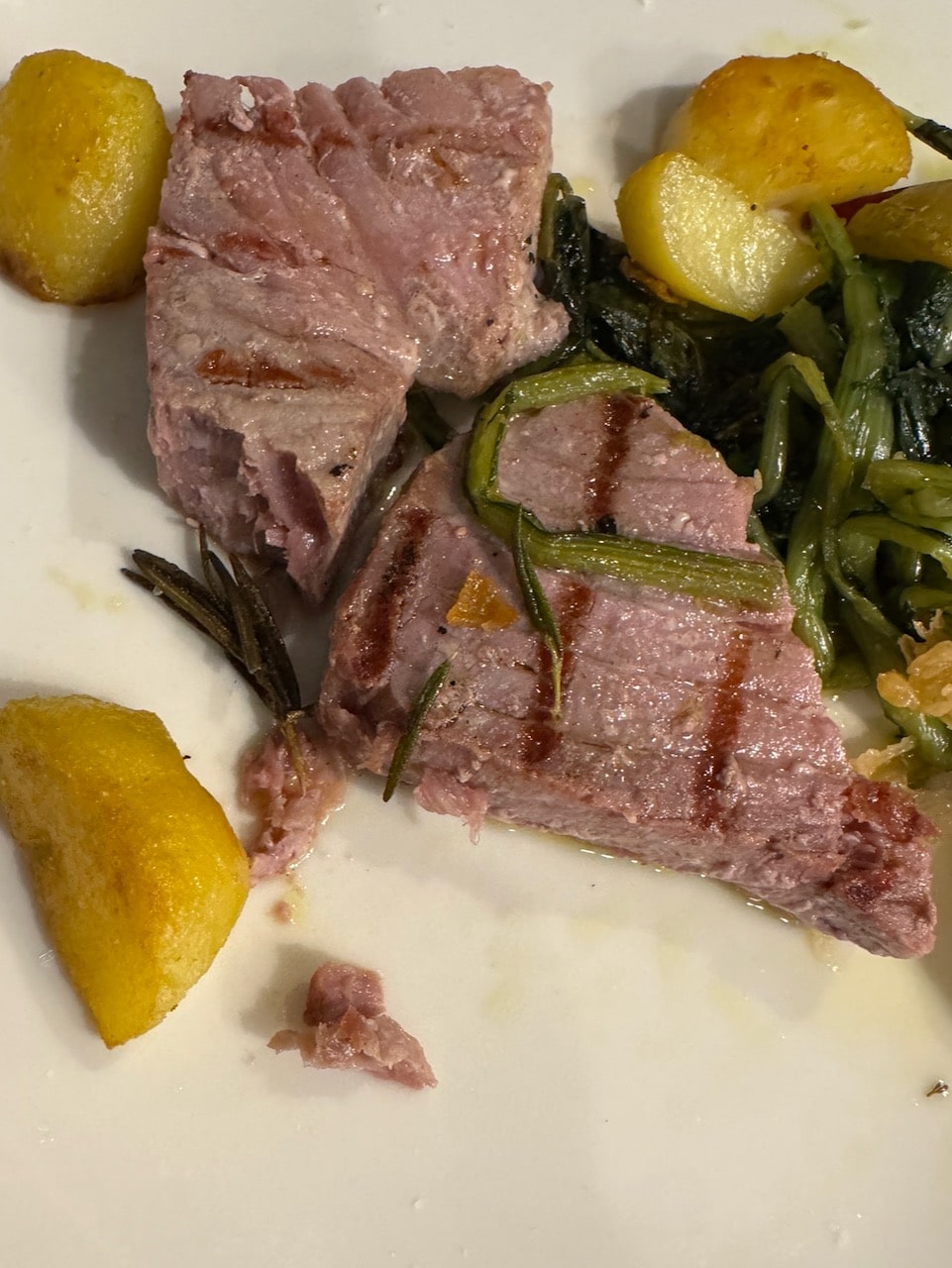
We loved the chef’s take on cacio e pepe made with red prawns and lime and we followed that with a main of tuna. It really was a lot of food!
The next day we walked along the seafront promenade which opens onto a tree-shaded pedestrian plaza. We enjoy learning about the history of the towns we visit and always try to explore the local museums. Scanning our options in Taranto, we had seen that it’s home to Italy’s National Archeological Museum, and it’s a great reason to visit Taranto and make it a destination.
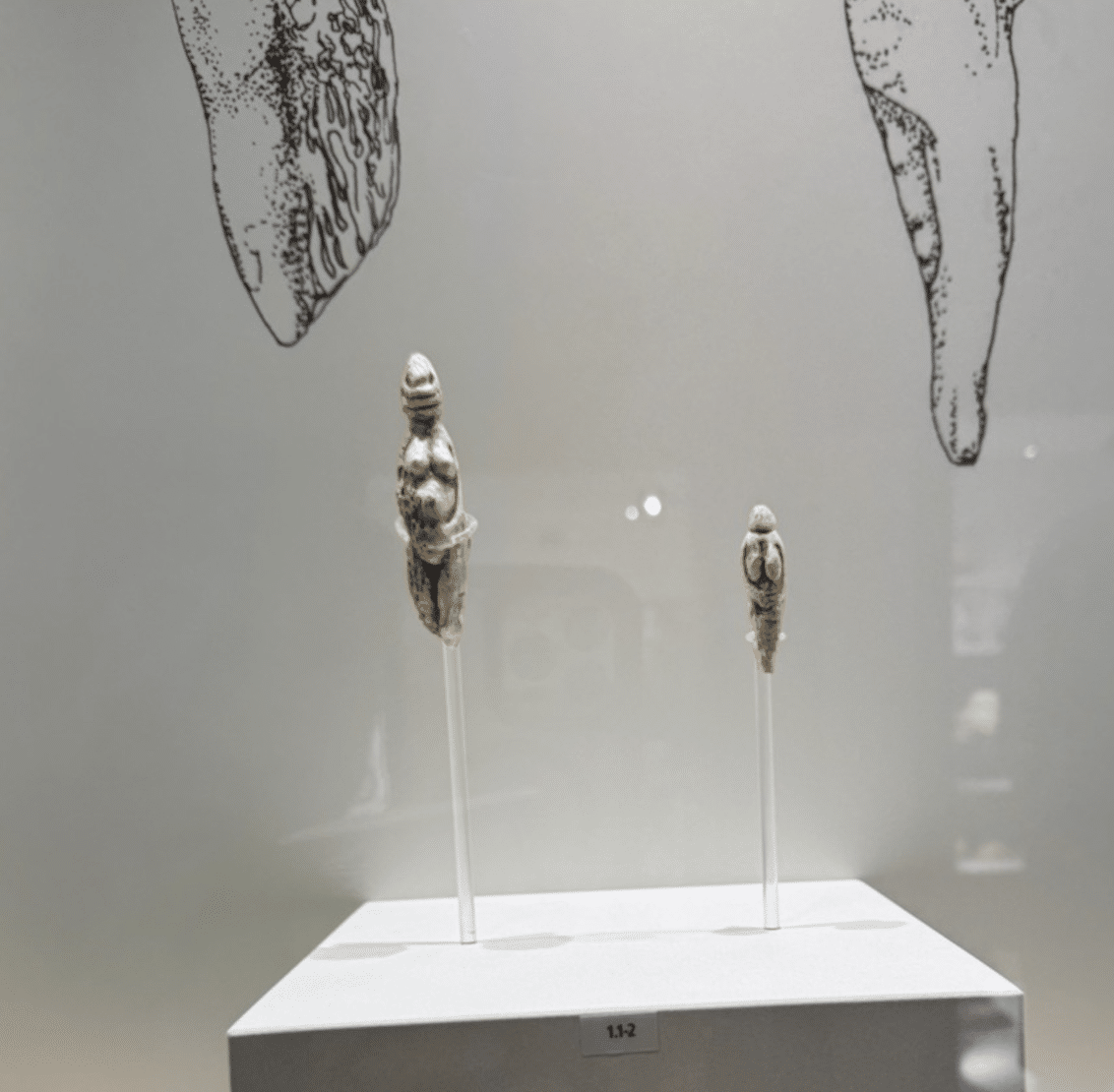
Founded in 1887 in a former convent on Via Cavour, it’s one of Italy’s most important museums yet it’s small and intimate. Curators have thoughtfully and artfully arranged the collection that includes artifacts from the Paleolithic era when people began using stone tools. These tiny female figures below were found in a cave with over 400 artifacts of stone and bone fragments.
Other work dates to the Bronze and Iron ages and many are from the period when the Dorians from Sparta settled the area. The grouping of sculptures of seated Orpheus and the Sirens from the 4th century BCE commands attention and invites you into the story.
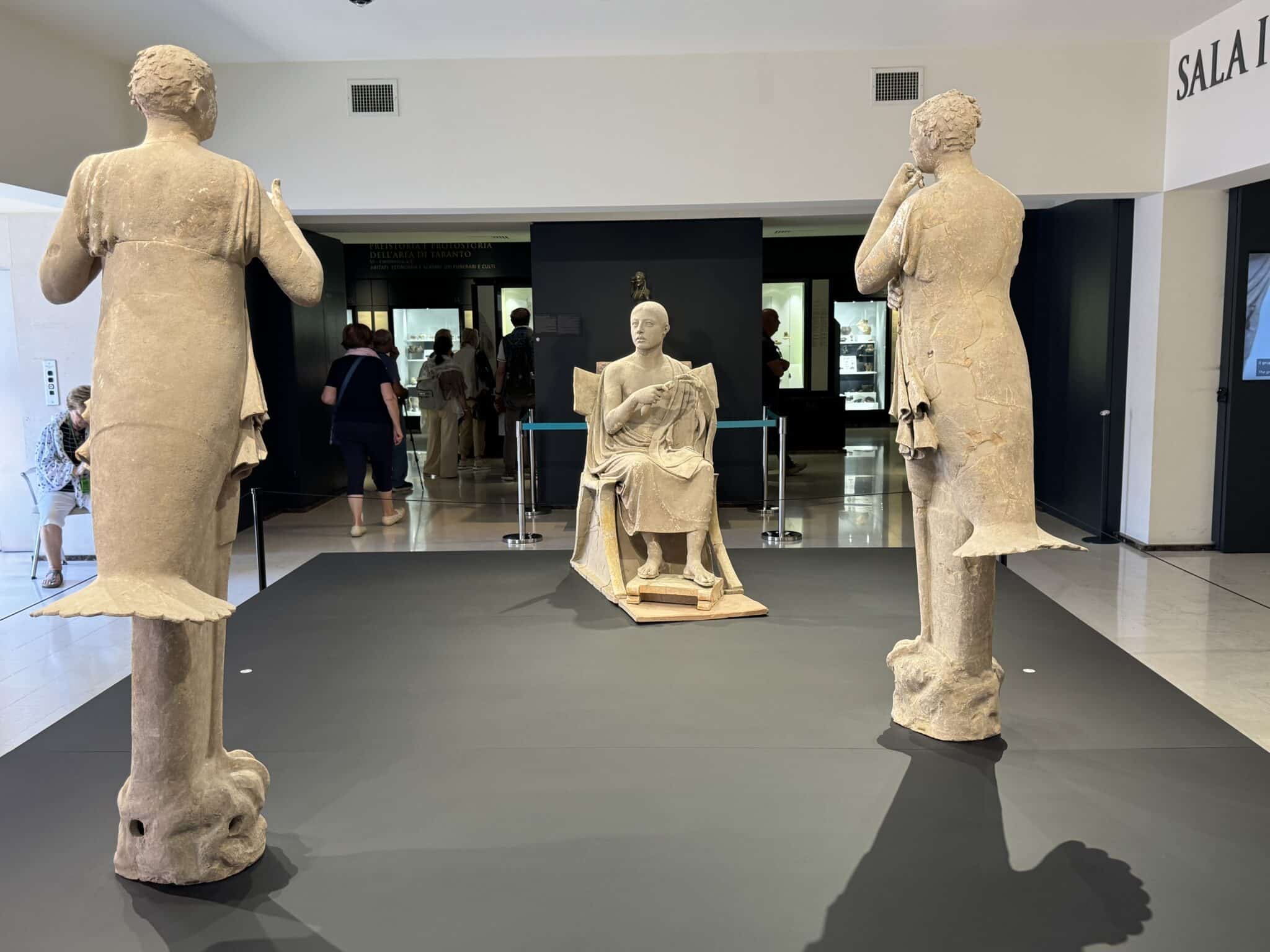
The sirens were legendary island temptresses who sang songs so beautifully that passing sailors couldn’t resist them and jumped into the water to their deaths.
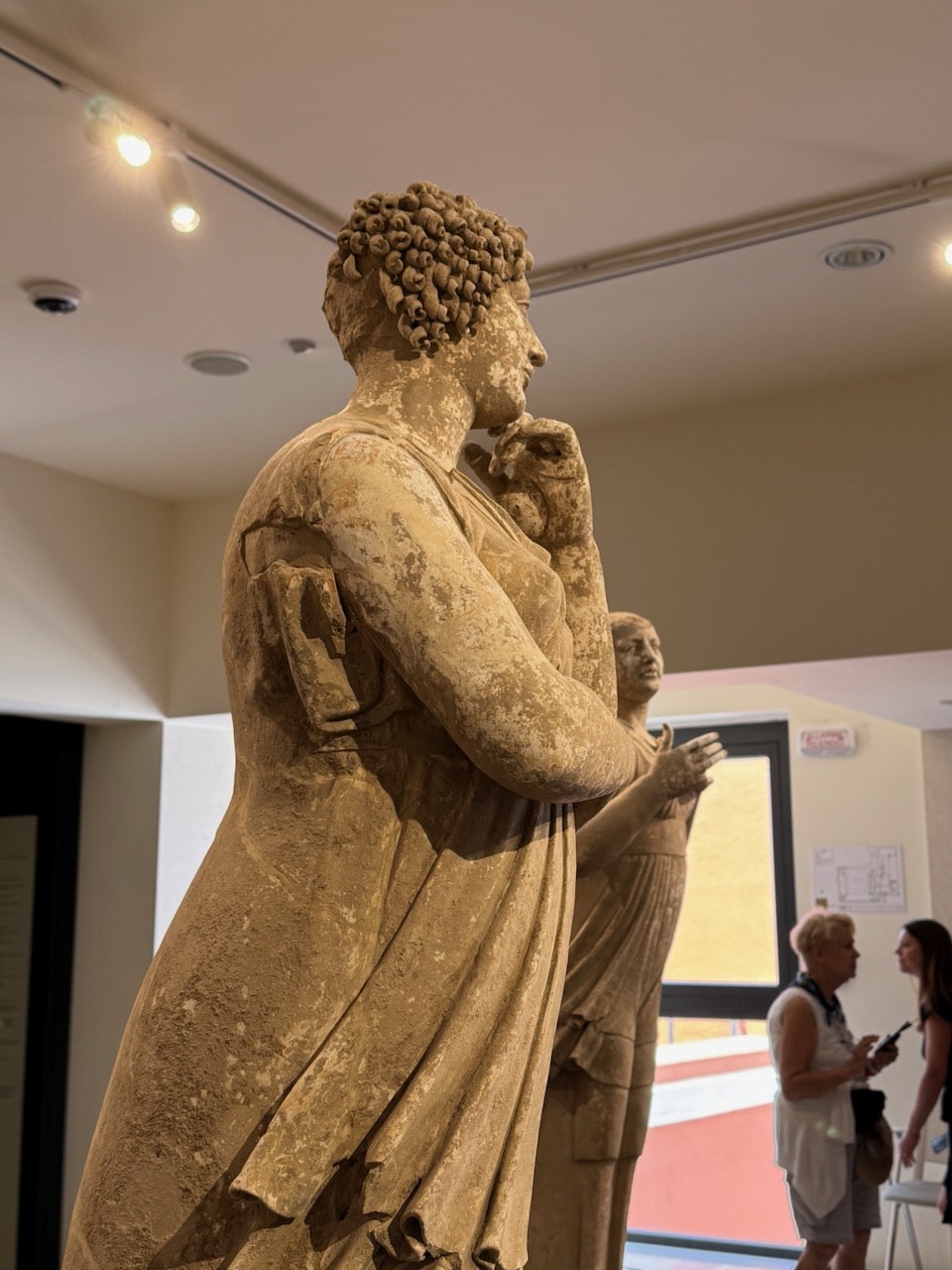
Legend has it that Jason and the men aboard the Argo, searching for the golden fleece, sailed within earshot of the sirens’ island but luckily they had Orpheus aboard.
He began to sing and strum his lyre and his music drowned out the sirens, letting Jason and the Argonauts continue on their quest and avoid fatal temptation.
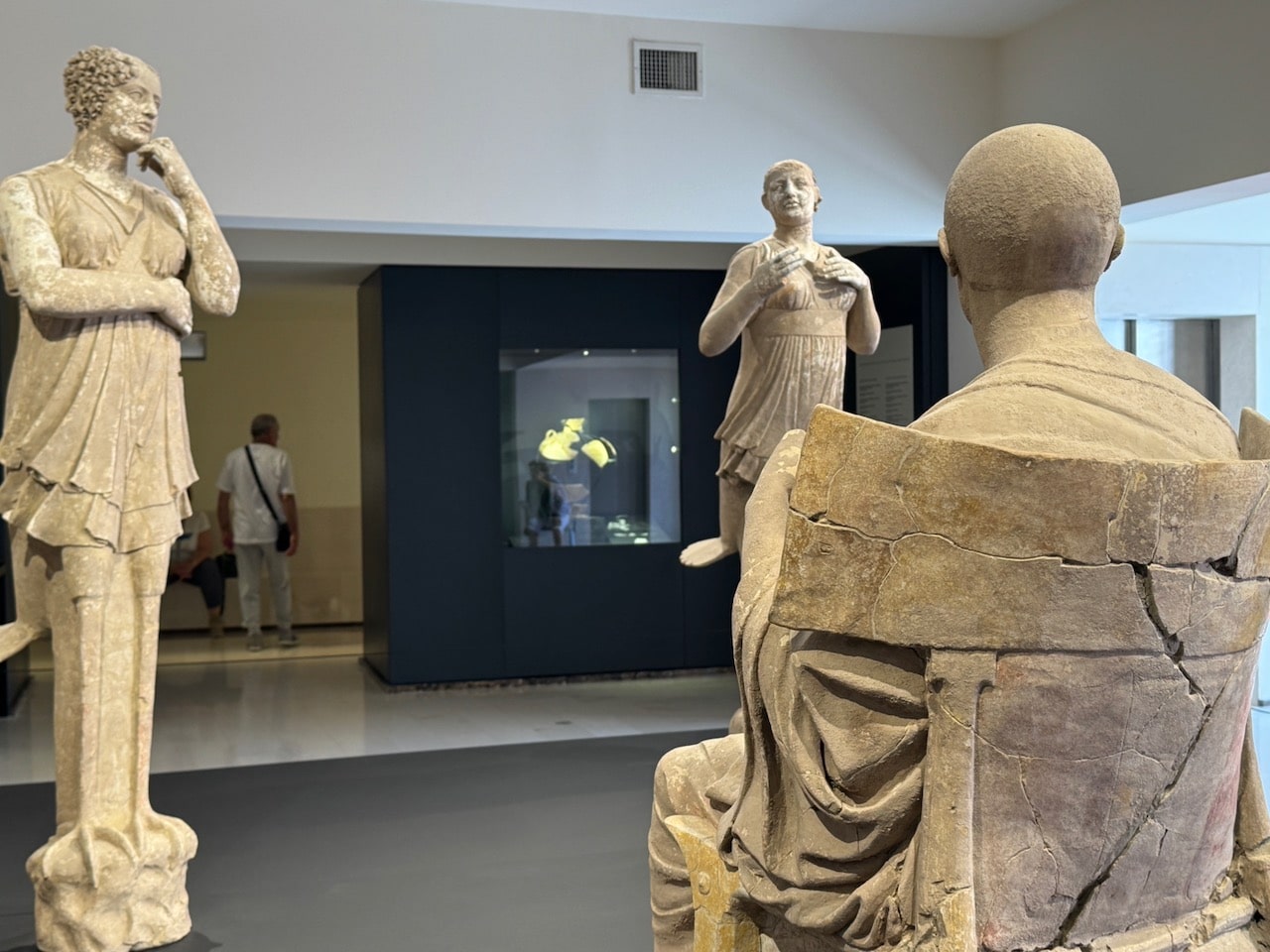
The terracotta figures themselves endured a journey at least as harrowing as Jason and his crew. They were looted by tomb robbers in the Taranto area in the early 1970s and surfaced at the J. Paul Getty Museum in Los Angeles. It took the sharp eye and historical knowledge of Assistant District Attorney Matthew Bogdanos, Chief of the Antiquities Trafficking Unit, to trace the theft.
His investigation found that known Italian art traffickers bought the Poet and Sirens days after the sculptures were stolen by locals from a tomb near Taranto. The sculptures were in pieces and the traffickers smuggled them into Switzerland, paid to have them restored and ultimately put them up for sale through a Swiss art dealer.
In 2022 the statues were on display in Los Angeles when Italy’s carabinieri art theft division provided proof provided by Bogdanos and his team that they’d been looted, and the museum agreed to return them. The statues were returned to Rome, first, for a formal ceremony that honored the investigators and then traveled back to Taranto.
But while Orpheus and the Sirens are the center piece of the collection there is so much more to see. What you see, and the wonderful descriptions fuel the imagination and fill in pieces of history.
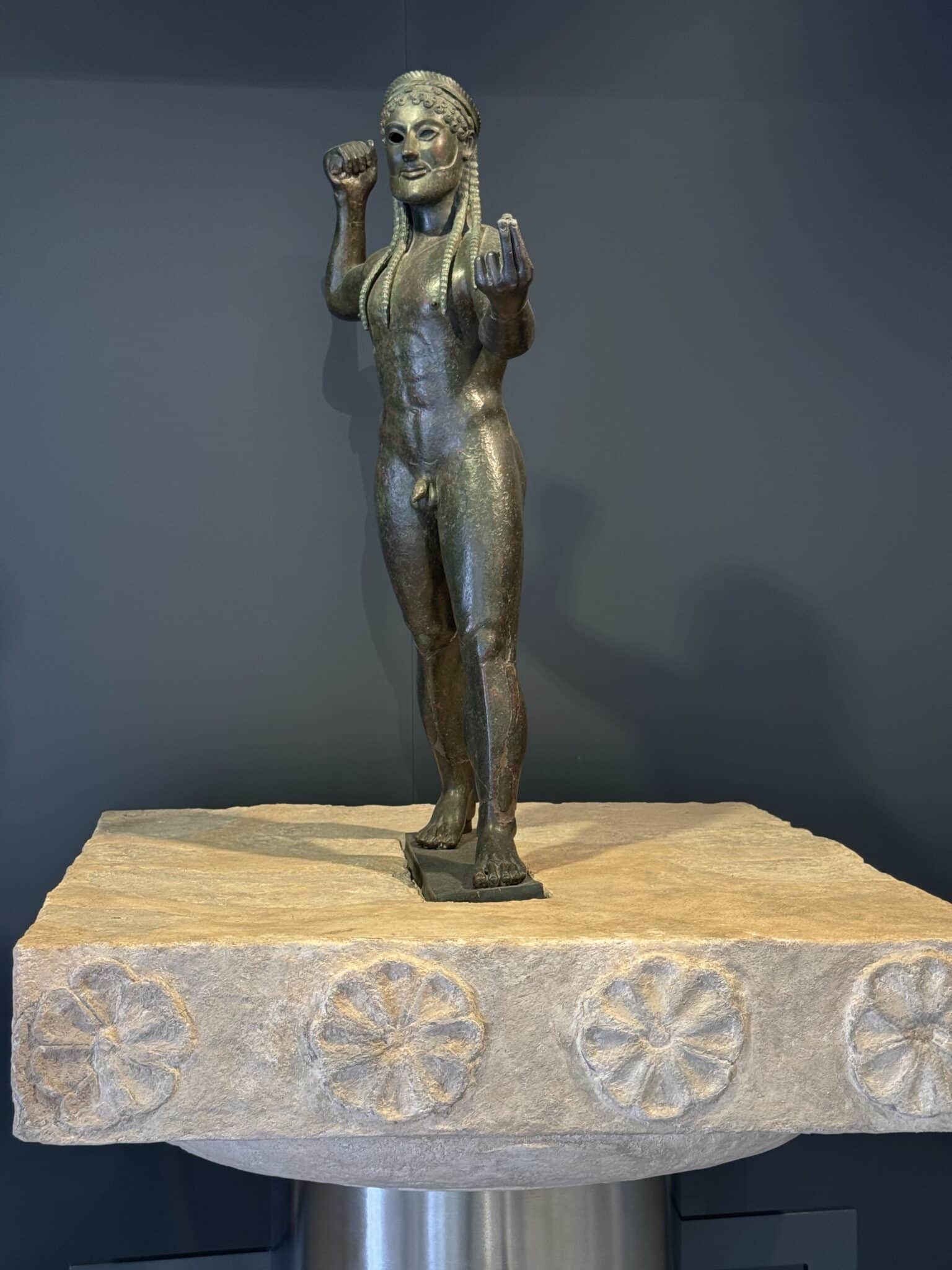
This bronze statue is the Zeus of Ugento, depicting Zeus ready to hurl a (missing) lightning bolt, and it dates to 530 BCE. It was discovered in 1961 by workmen on a private home construction project, who found it in a hole covered by the stone tablet on which it’s now displayed.
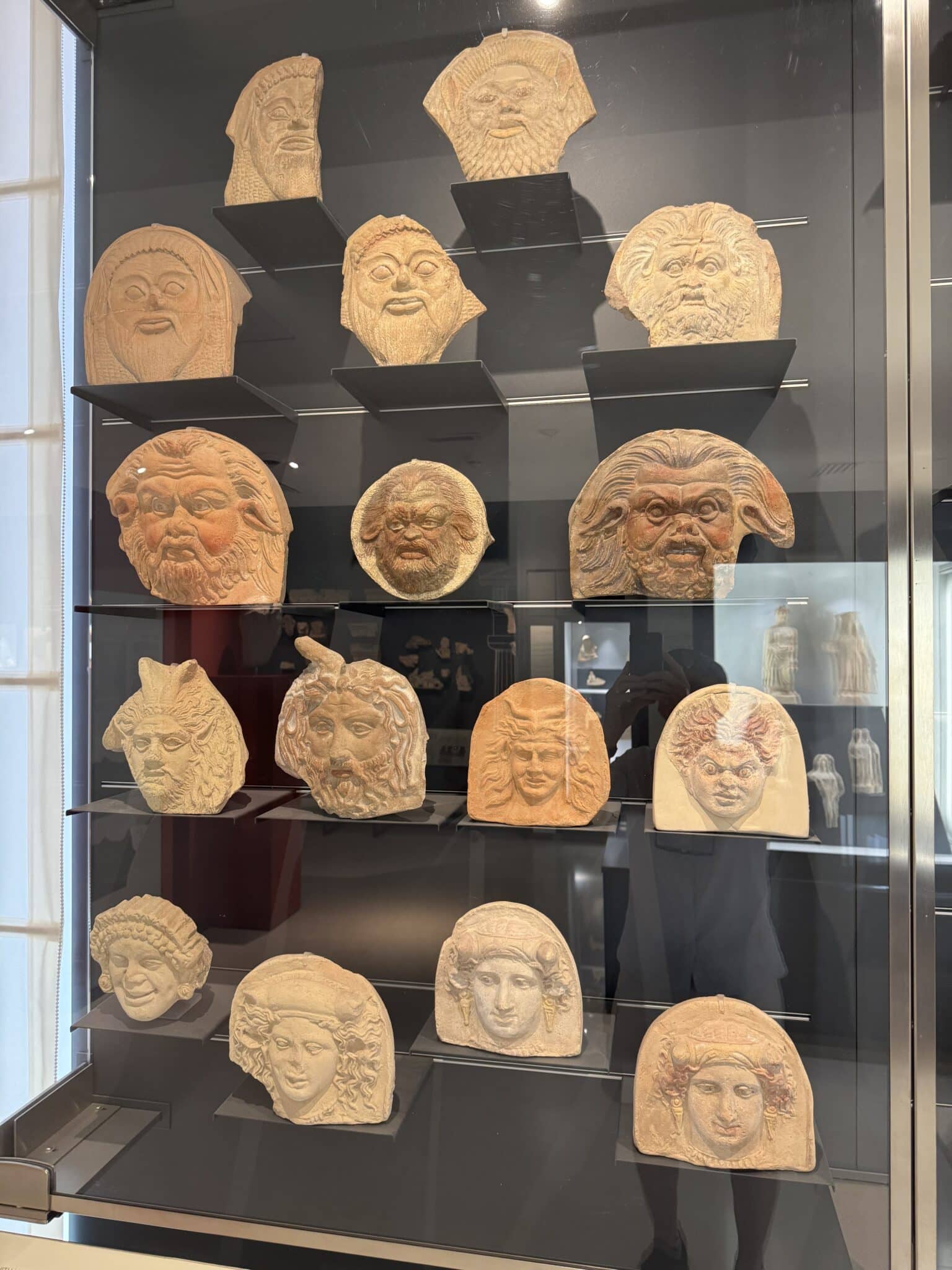
Depictions of Pan, the flute-playing god of nature, have evolved over the years from the half-man, half-goat original. The Taranto museum groups a display of Pan’s changing face, as if he discovered barbers and shaving and even waxing as he aged.
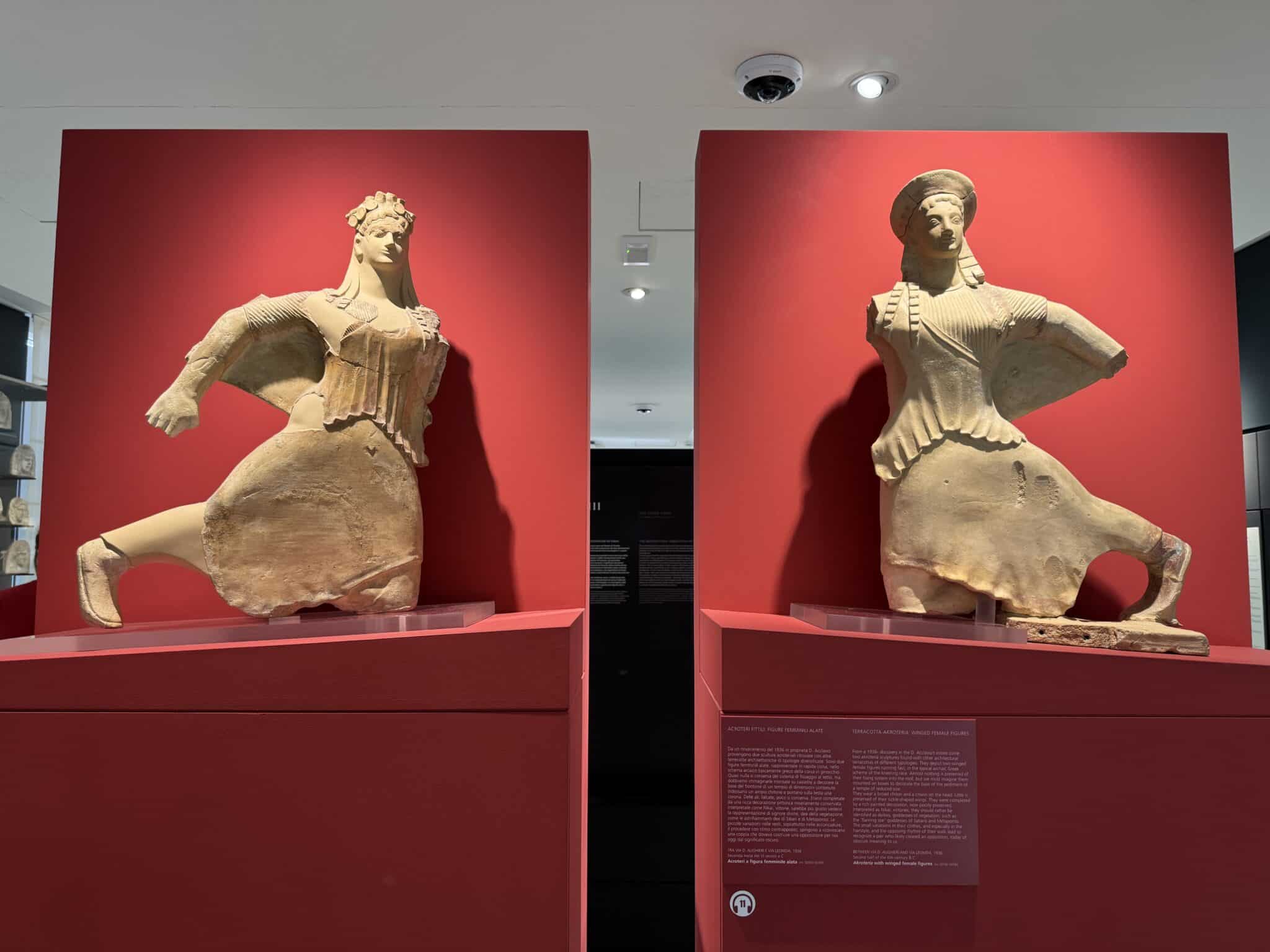
These terracotta figures are akroteria, meaning they once crowned the high points atop temples and other public buildings. These two have wings, and they seem to be running and kneeling at the same time. They date to the 6th century BCE and were discovered in 1936.
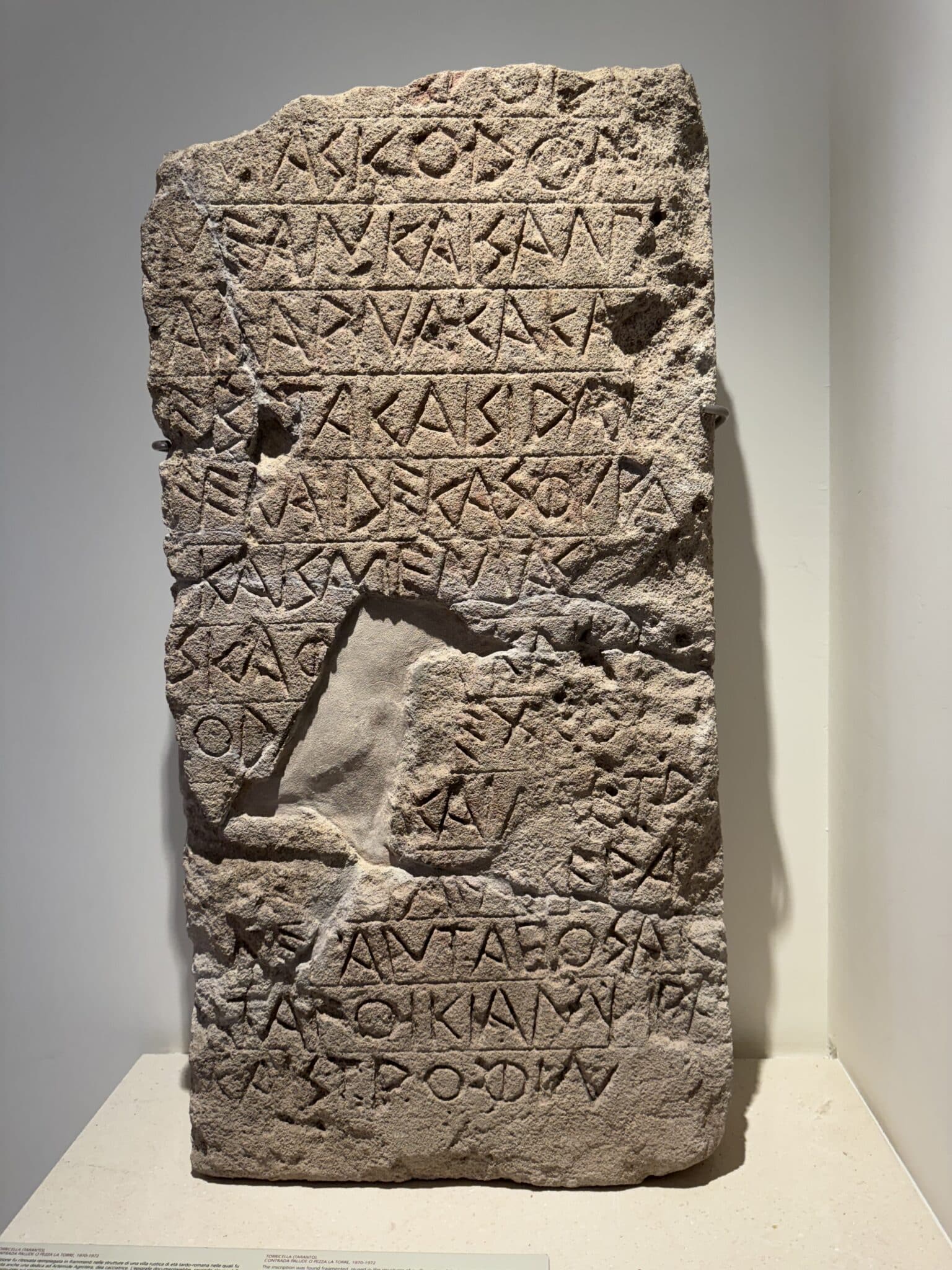
This sandstone slab from the 6th century BCE describes in Greek an offering to the hunting goddess Artemis of tools and weapons and “all the terracotta furnishings needed in a household and a bandage.”
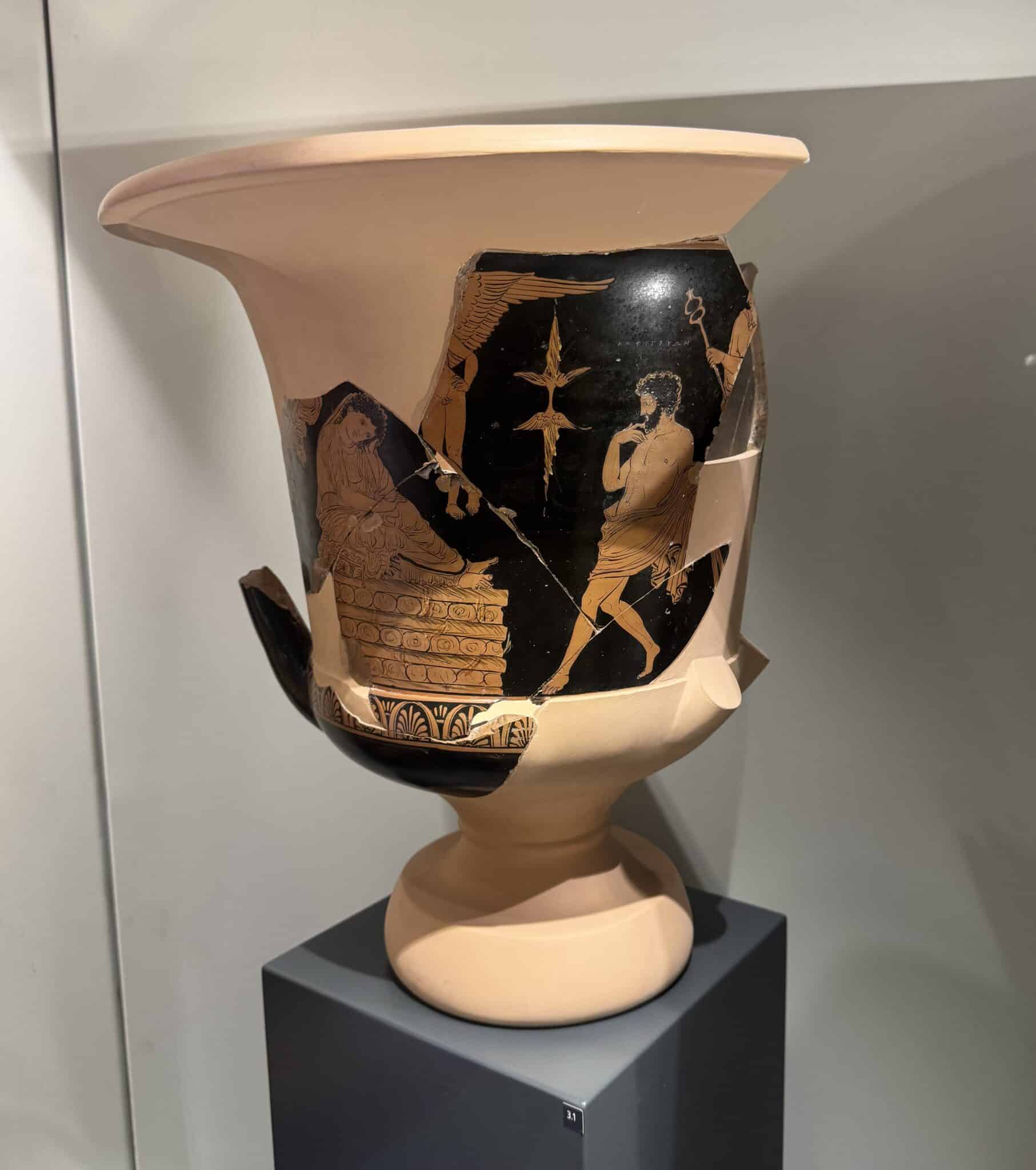
Even the shards of a Greek vase tell an archeological story. This one, from around 400 BCE, illustrates a Greek myth that sounds snatched from a divorce court of the time. Amphitryon, Alcmene’s husband, went on an expedition and, apparently forgetting that Zeus was a serial rapist, left her in Zeus’s care. He returned to learn that Zeus had slept with her but she hadn’t known it was Zeus because he had taken Amphitryon’s form to do so. Amphitryon put her on a funeral pyre and lit it to see if she was telling the truth. The flames were rising when Zeus brought down rain to put the fire out, leaving her husband to conclude that her story was true and she was innocent.
We didn’t find out what this mask is, we just liked it. If anyone who sees it has a clue, please let us know. Thanks in advance.
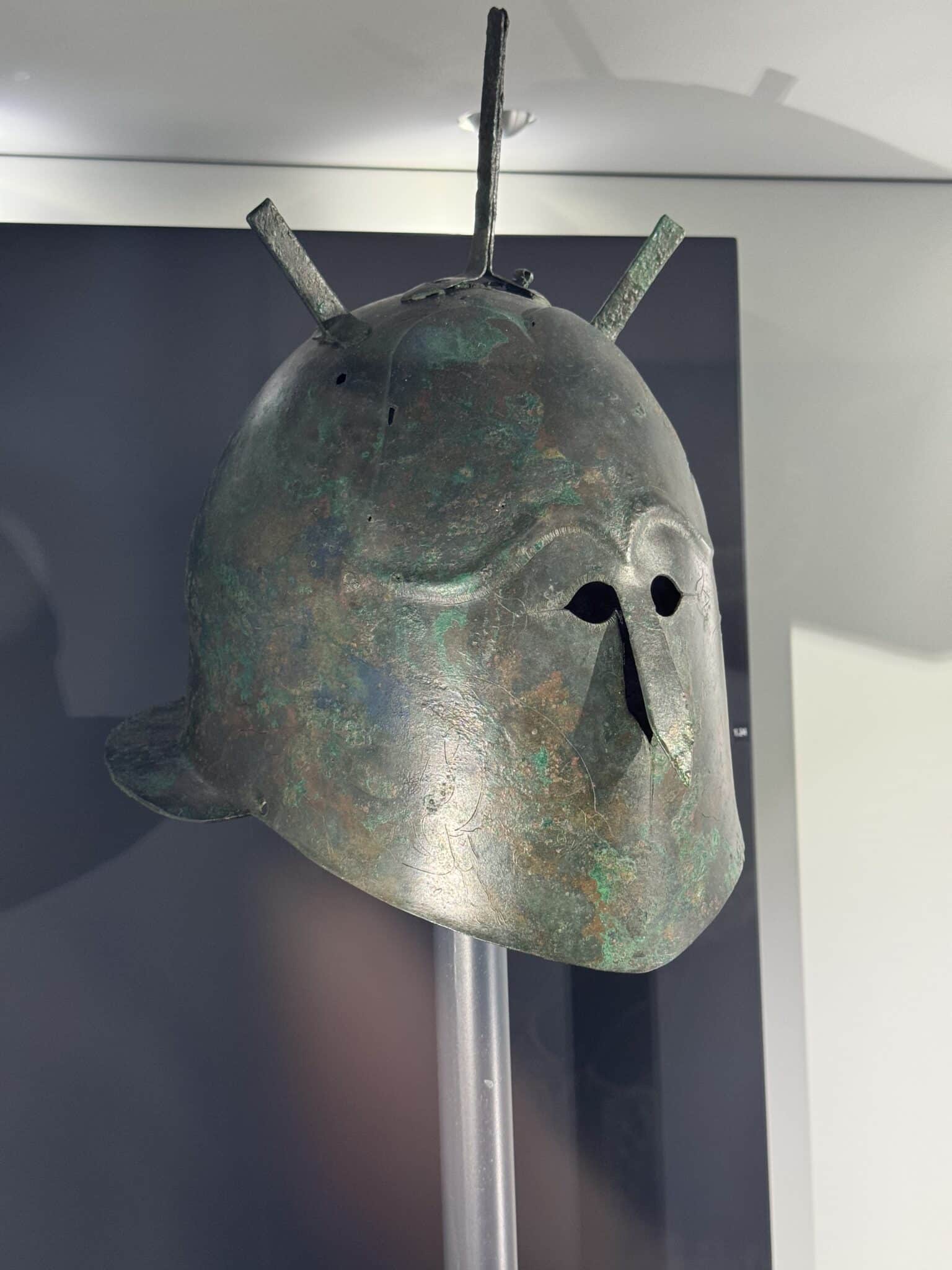
This guy seemed to tell us it was time for lunch, so we found a nearby restaurant/pizzeria.
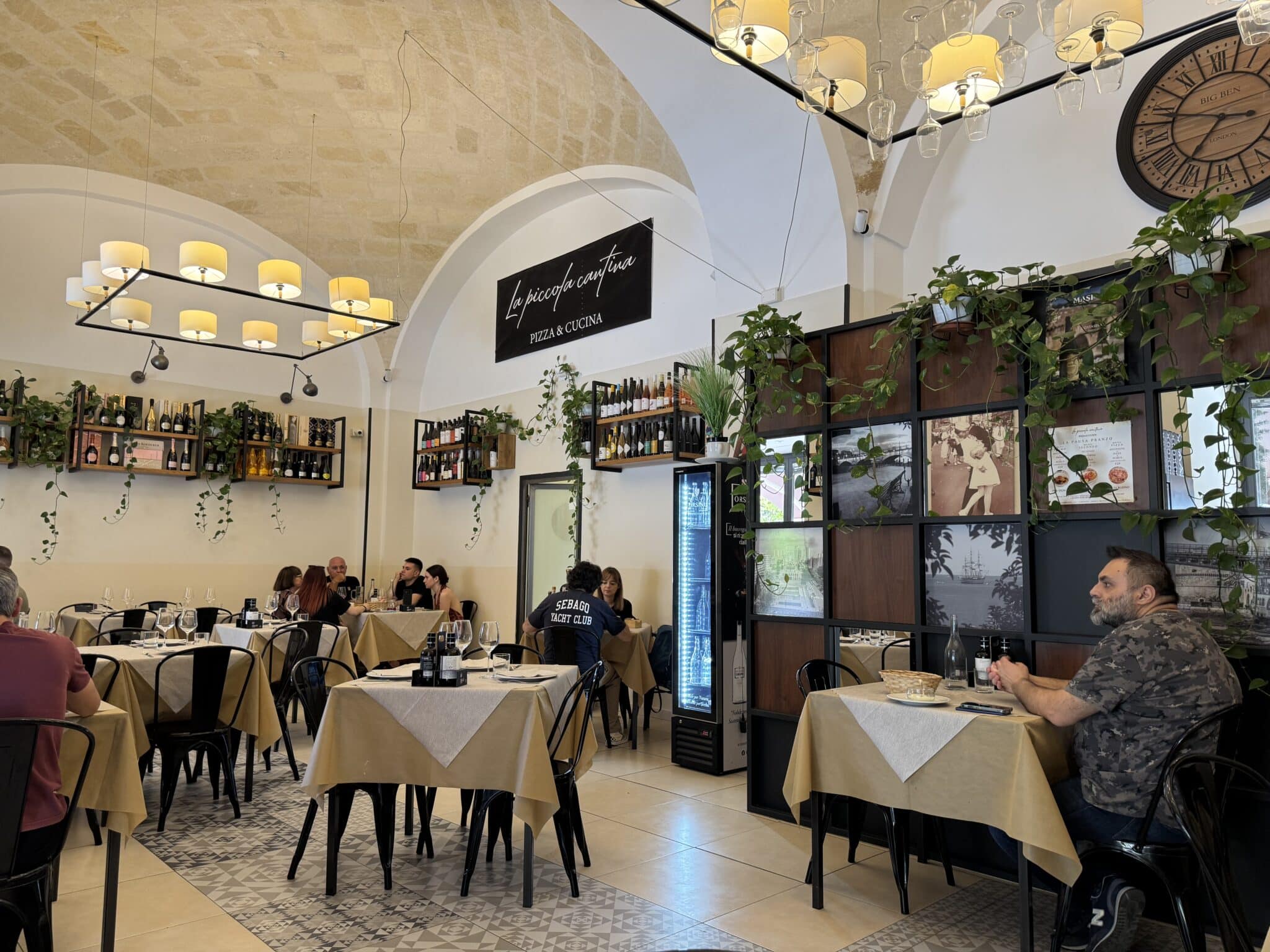
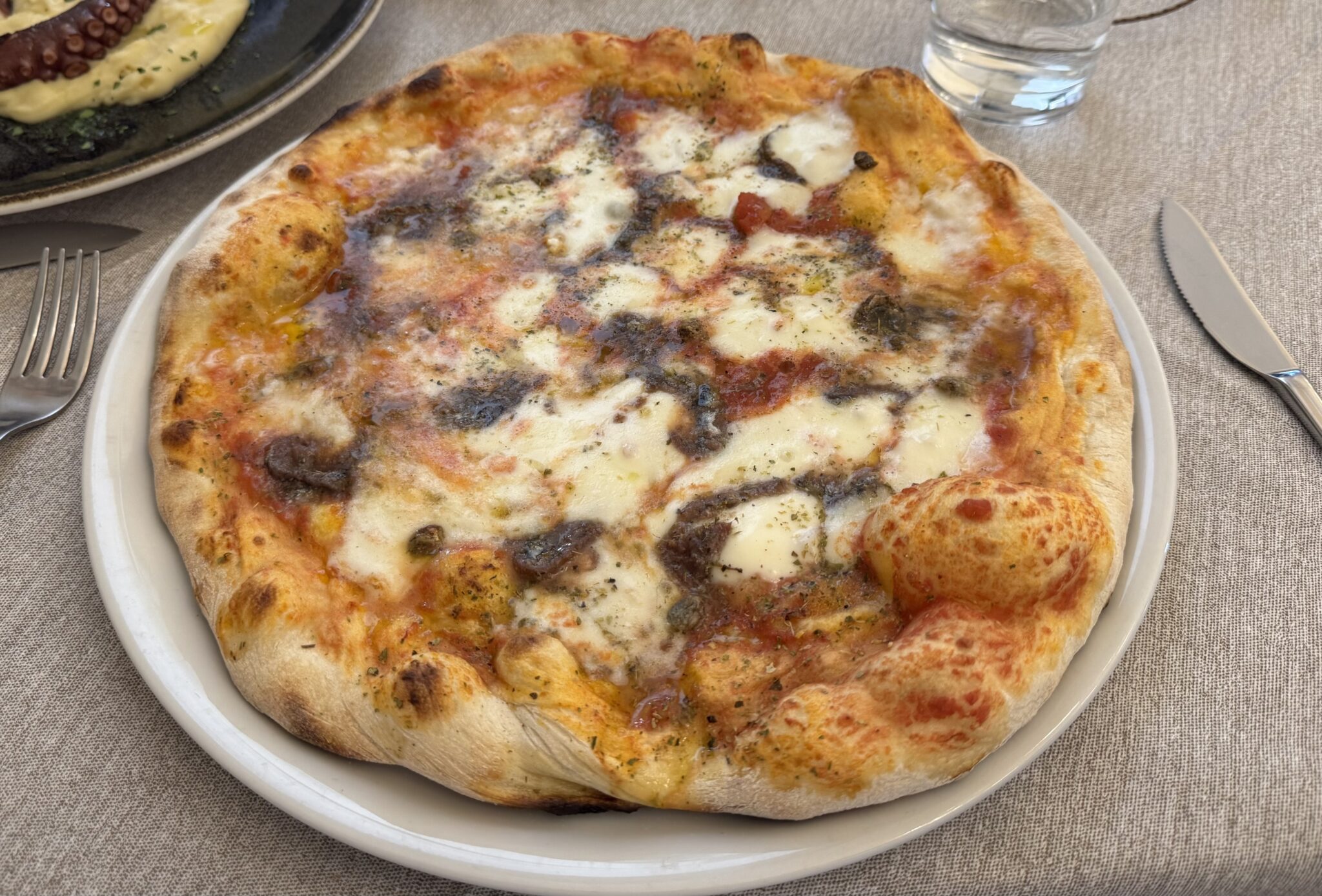
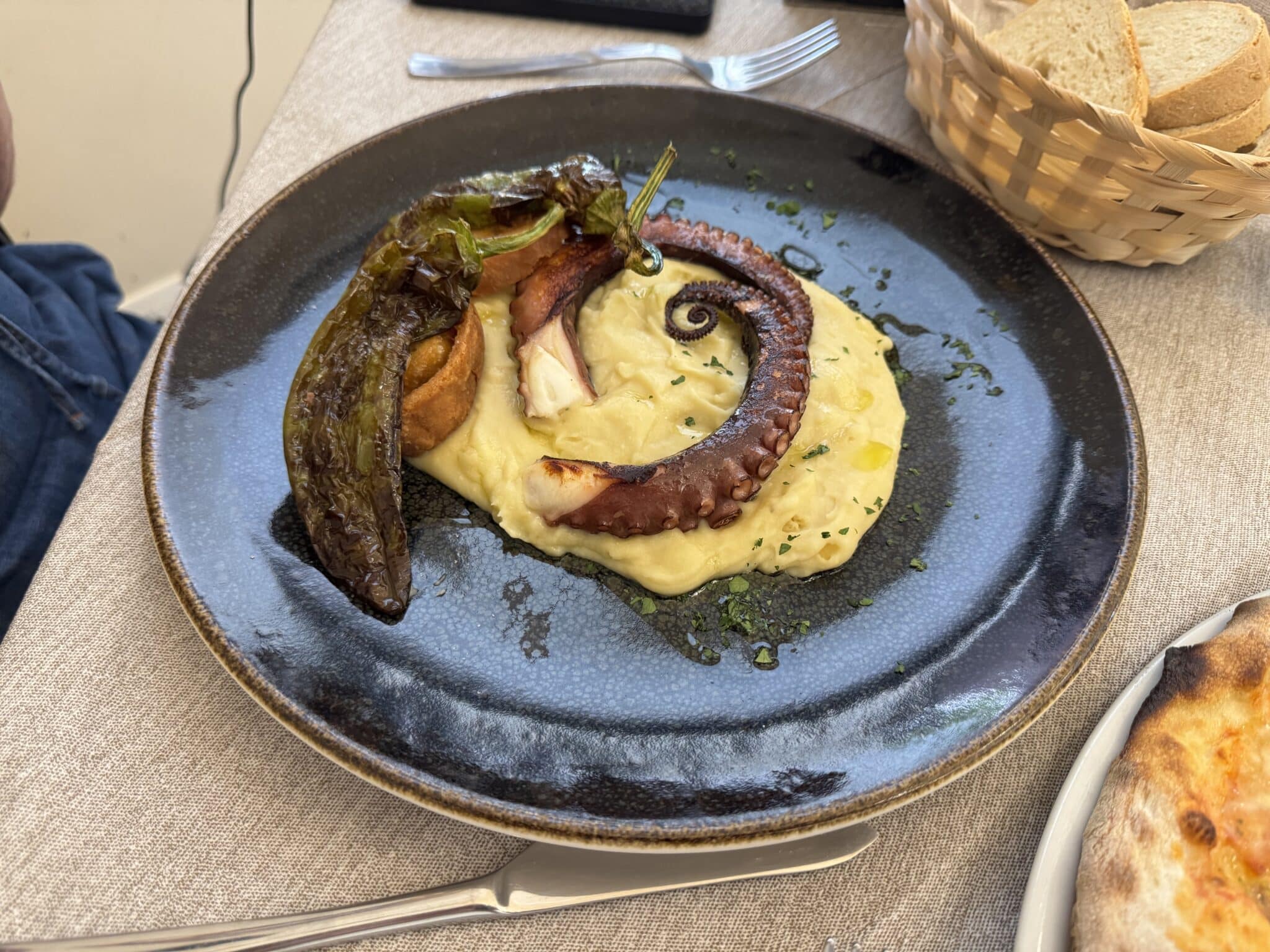
In this simple place, the food was excellent
After lunch we went right back to the archeological museum to see some more of its treasures. Traveling around the Mediterranean, we discovered the beauty of ancient mosaics. When we asked about mosaics here, one of the security guards led us enthusiastically around the expansive collection.
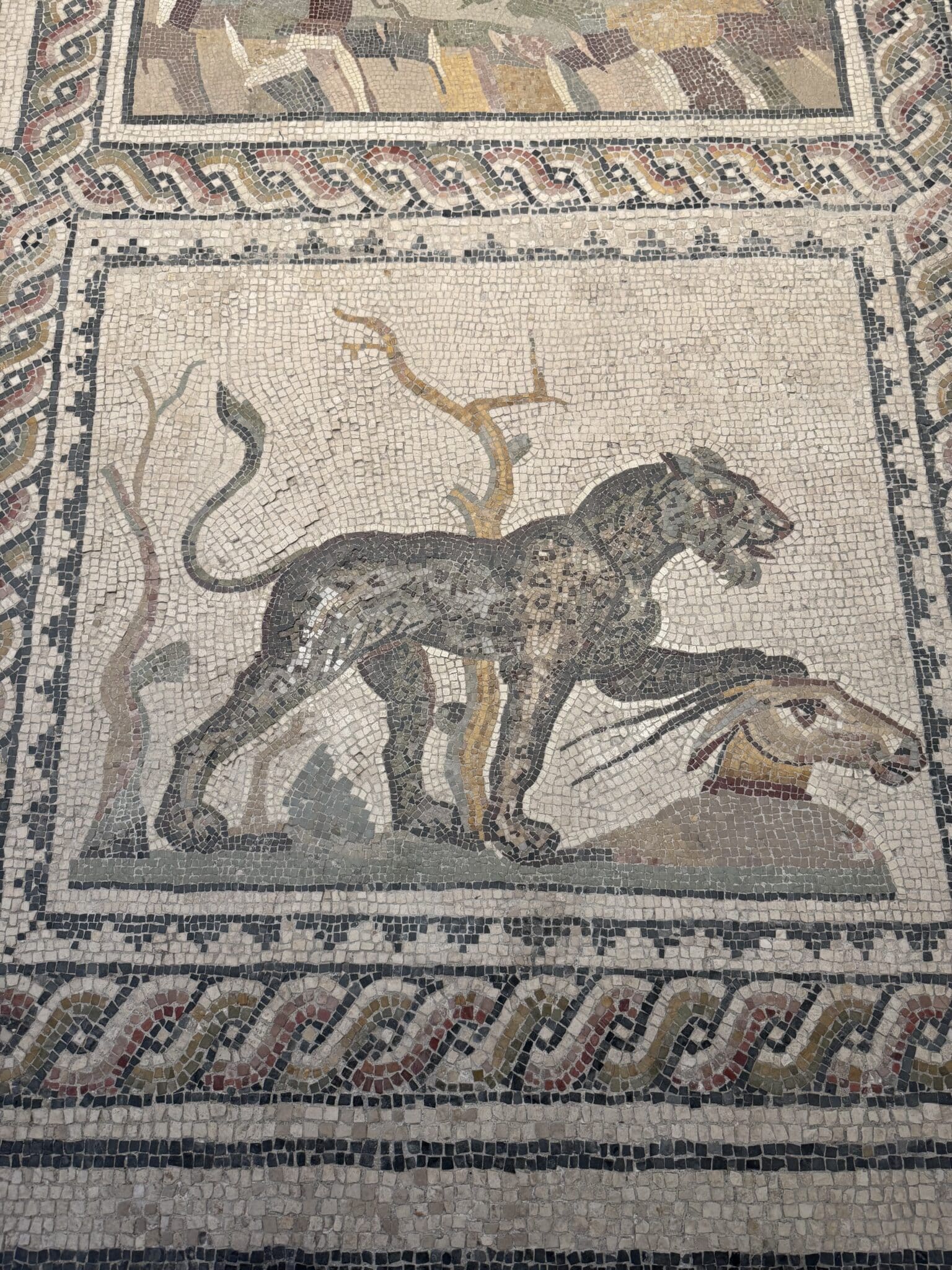
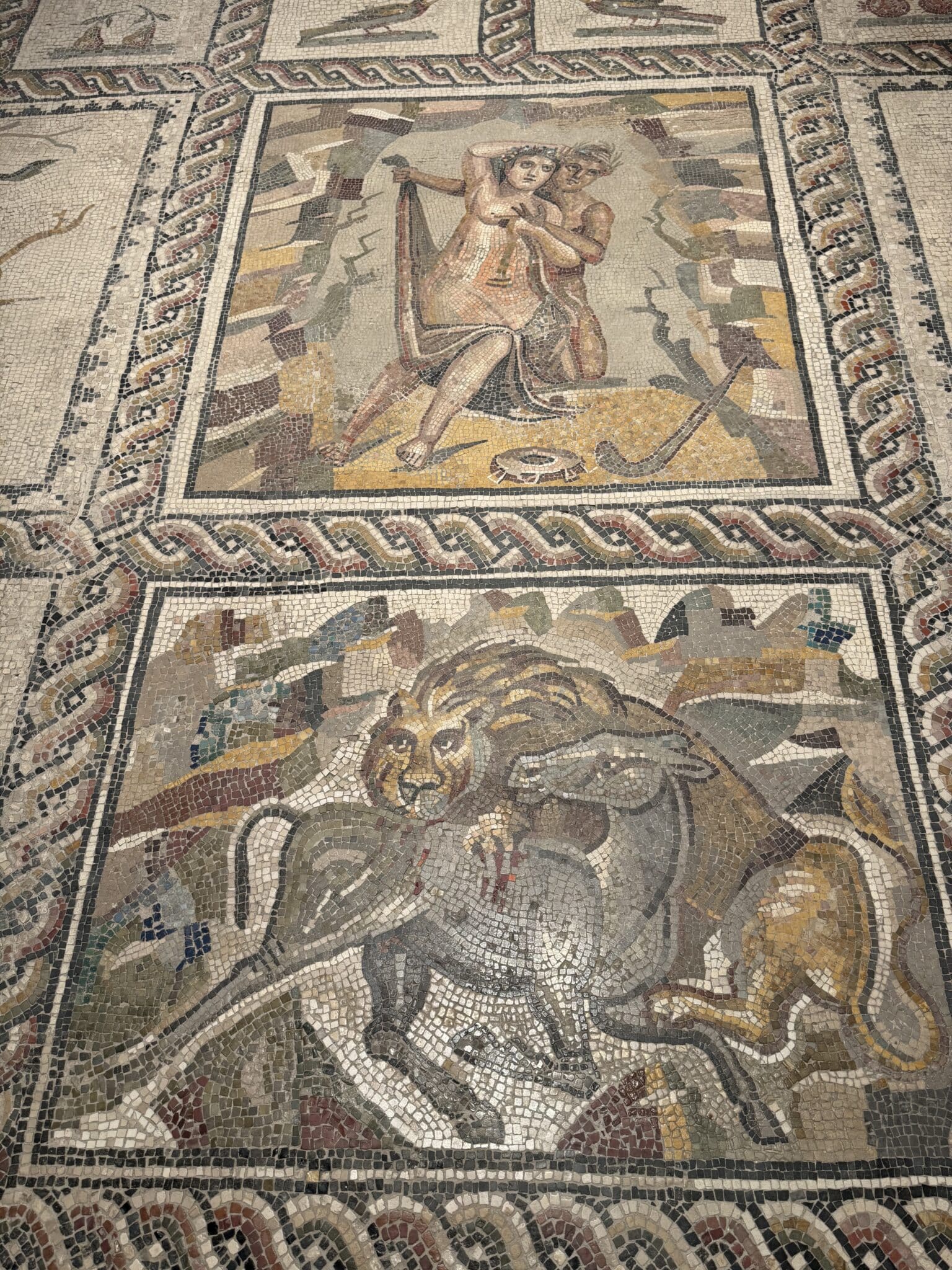
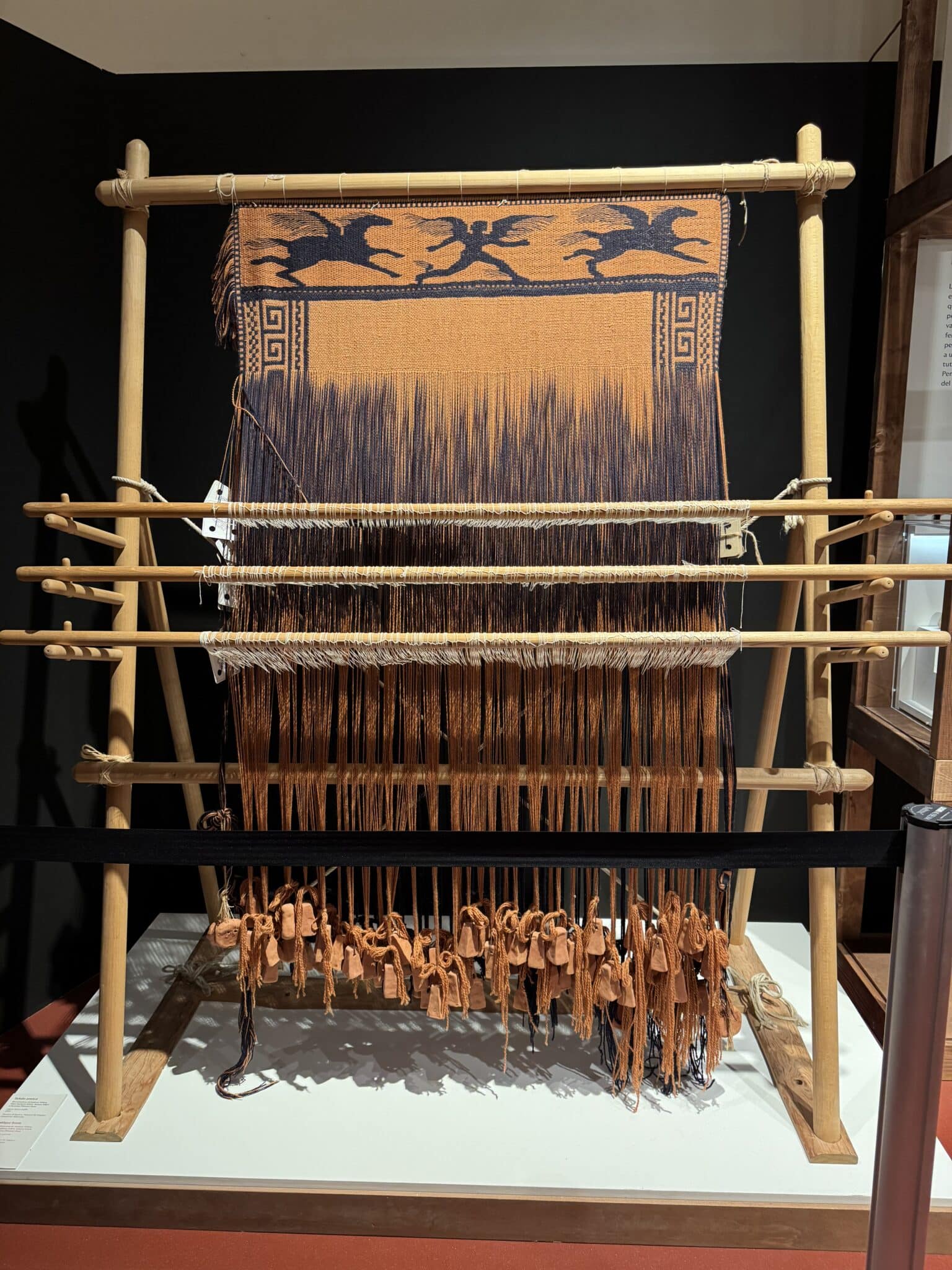
Just as we were about to leave, we notice an exhibit dedicated to Penelope and the craft or art of weaving. The loom and her weaving is central to the legend of Penelope as she waits for her husband Odysseus to return from the Trojan war.
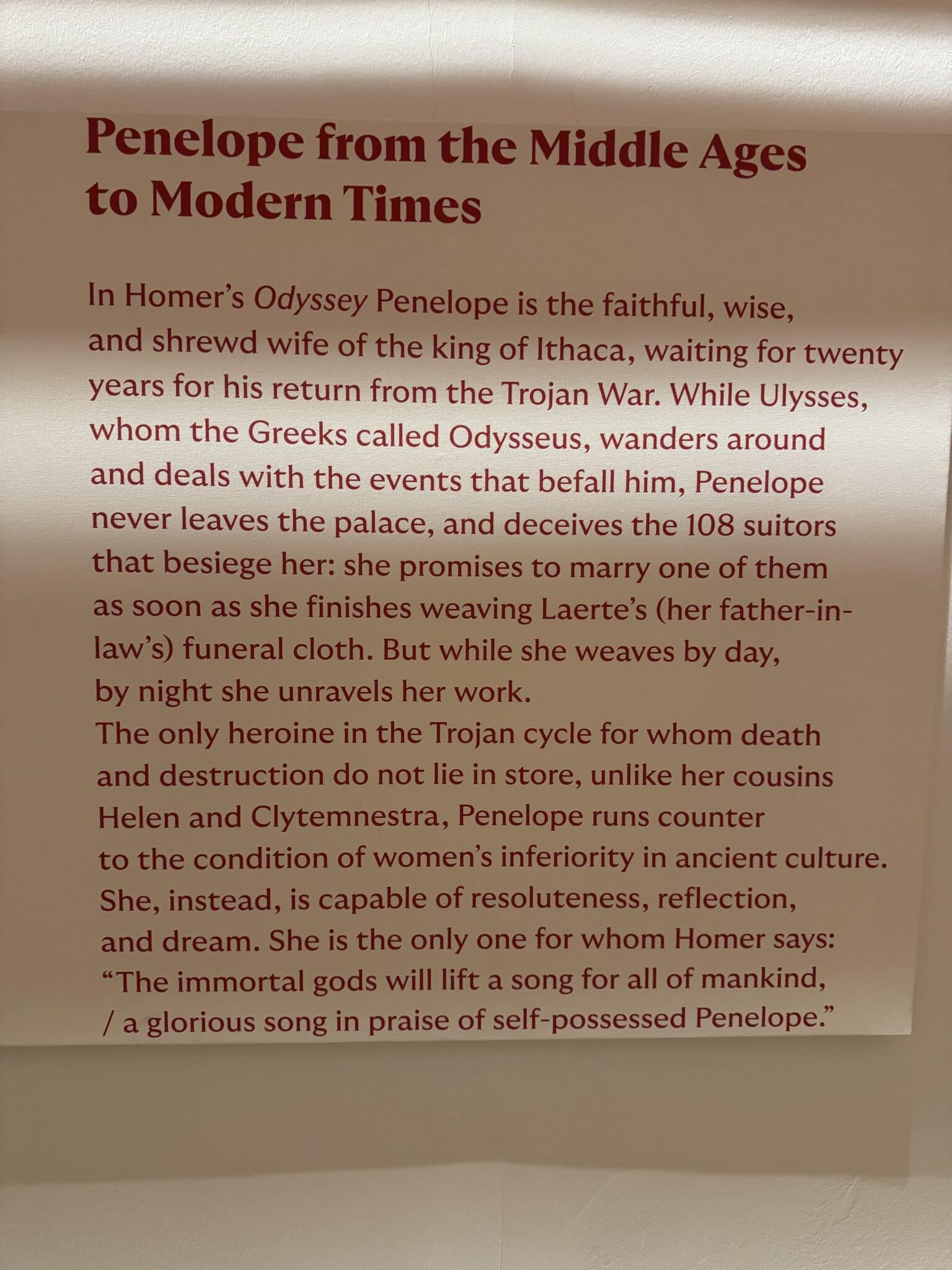
Penelope, according to the text here, was stubborn, single-minded and cunning.
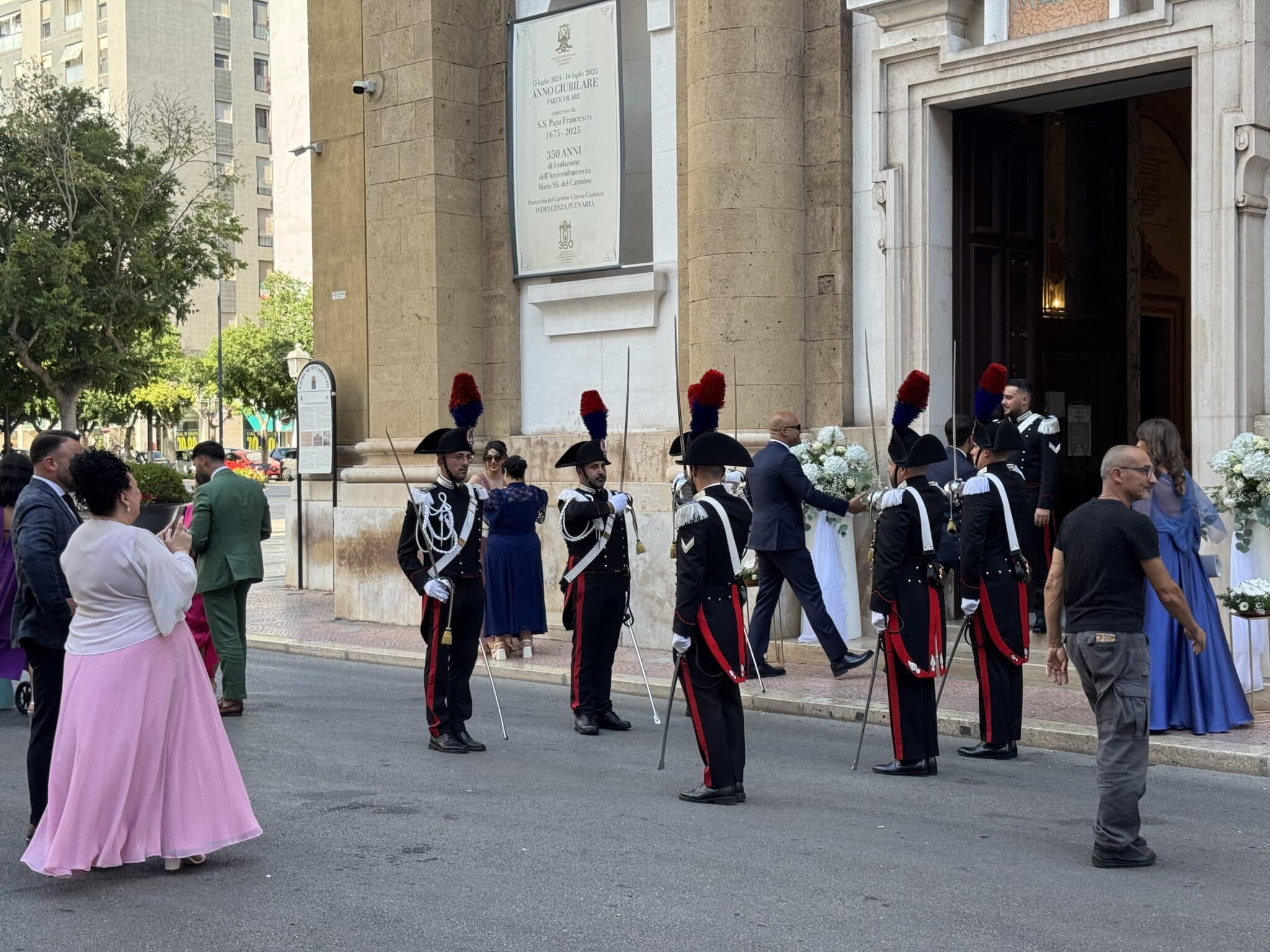
When we finally tore ourselves away from the archeological museum, we wandered near the central part of Taranto and almost joined a wedding party.
Back at our hotel, we heard the sounds of the Medimex International Music Festival & Music Conference wafting over the Ionian shoreline. We had tried to get tickets, but it was sold out. And so we satisfied ourselves with listening in.
We ate dinner on the terrace of the Delfino’s excellent restaurant,
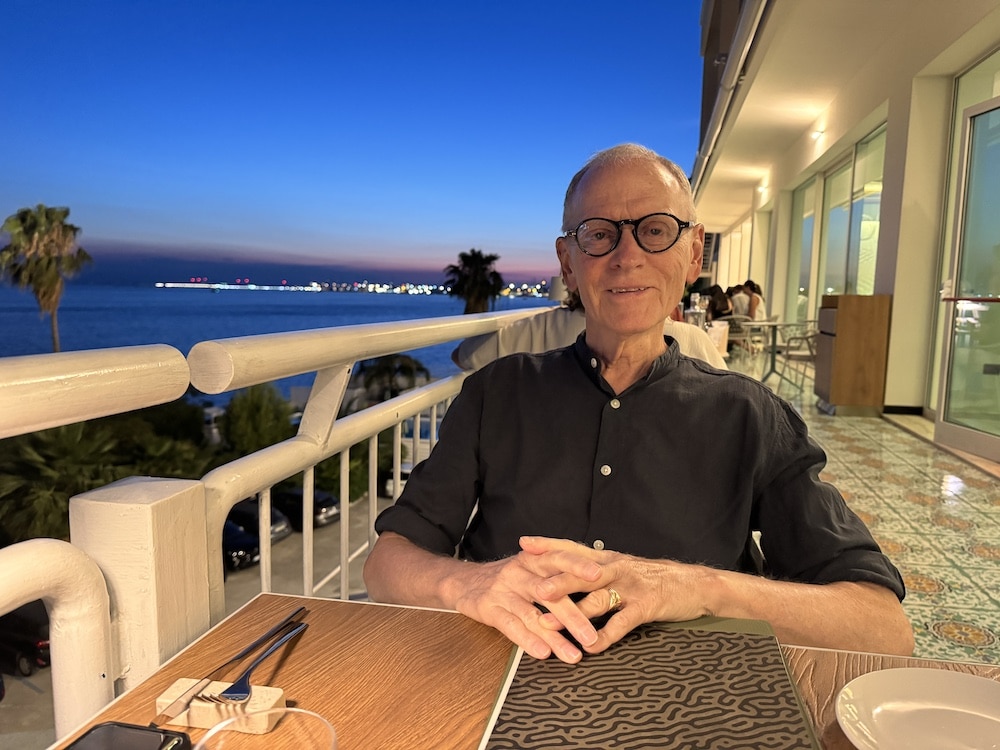
with the concert music in the background, and had one of the best meals of our trip.
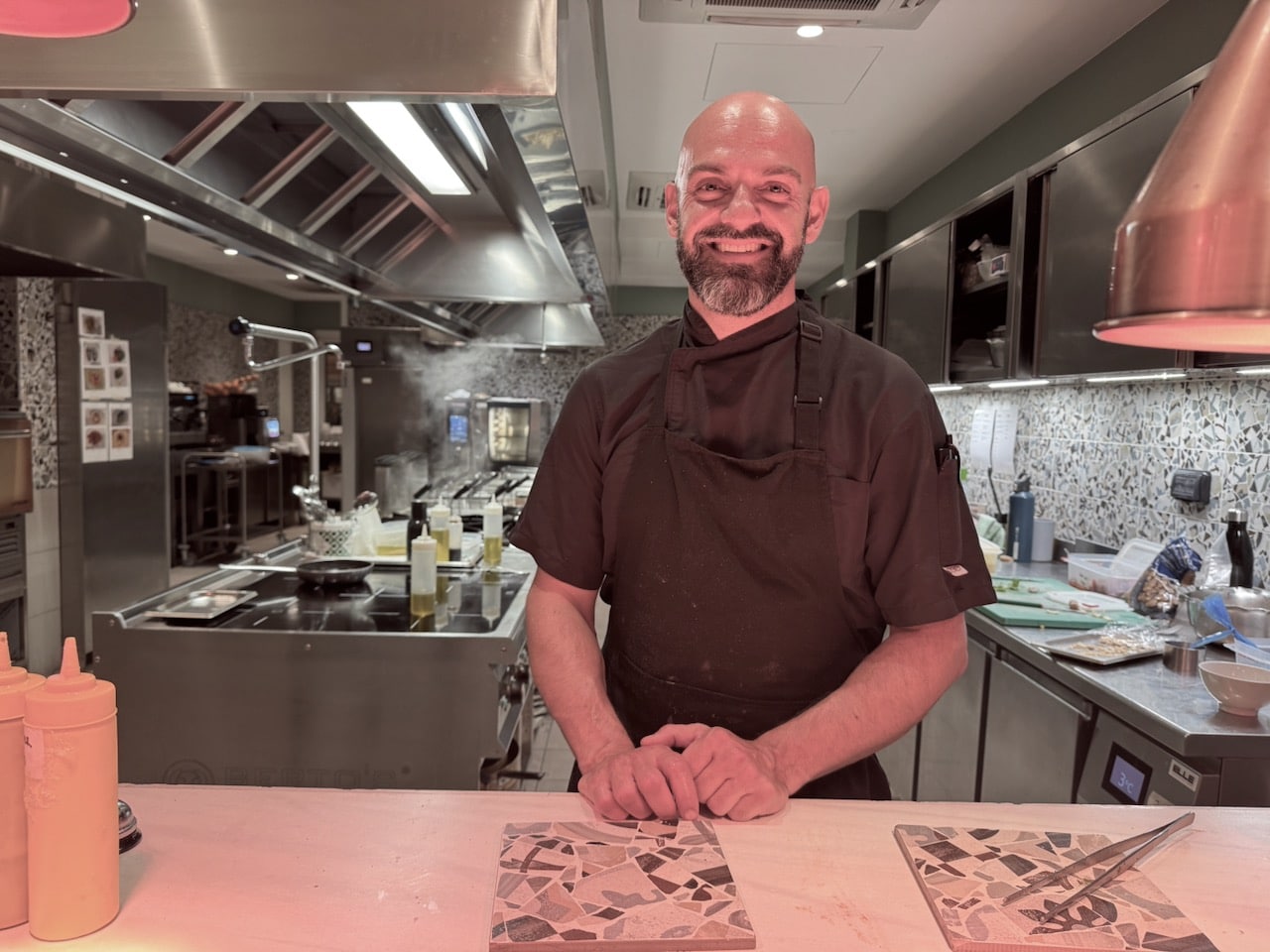
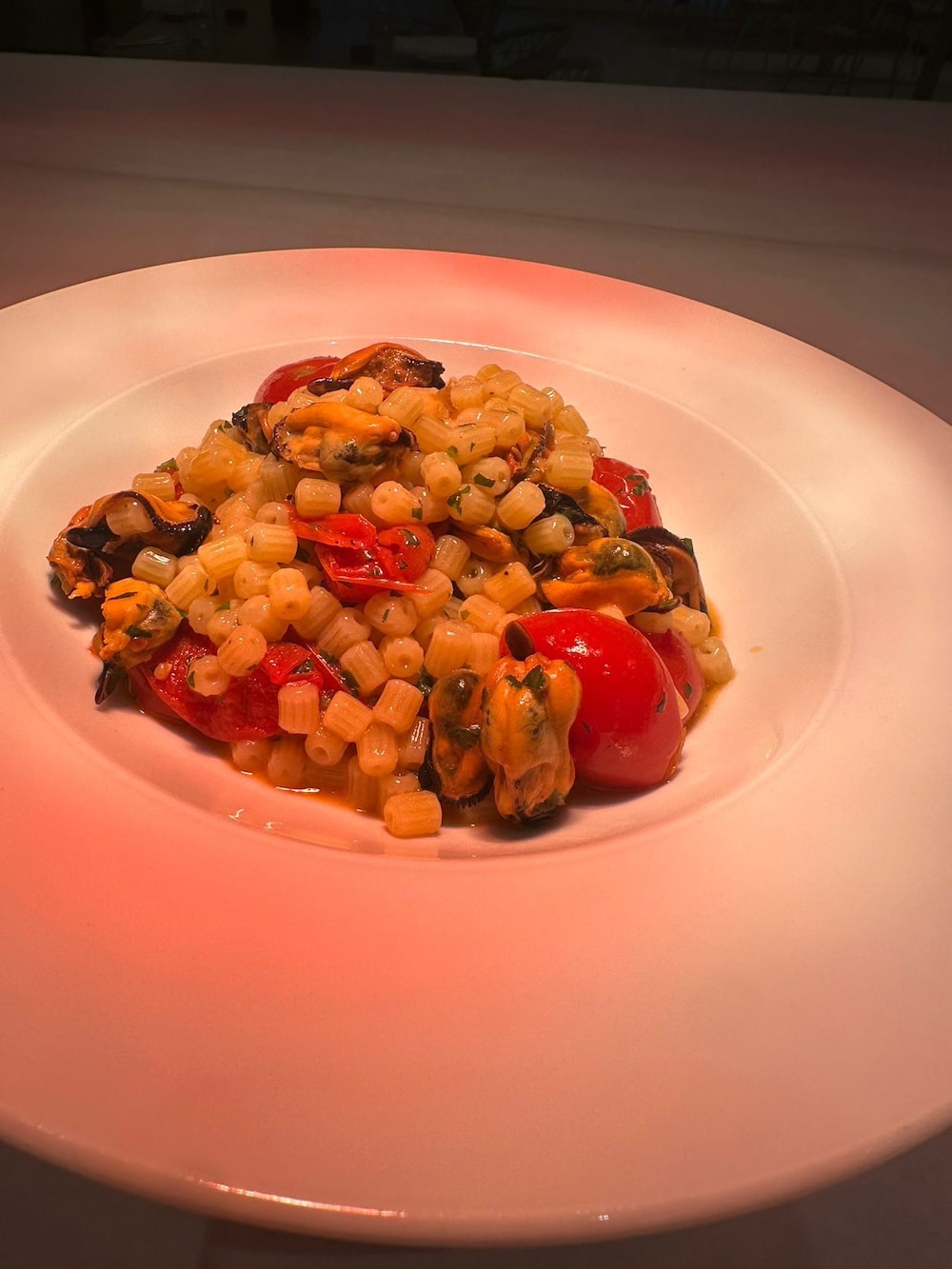
The chef Roberto Chyurlia expertly turns out beautifully prepared pasta and fish, and we noticed at nearby tables that people were enjoying entrecote and beef tenderloin. But for us grilled fish, and the very simple, but special Cozze e Tubetti with roasted cherry tomatoes was the centerpiece.
Sure it’s off the proverbial beaten track, but Taranto is definitely a town we would visit again.